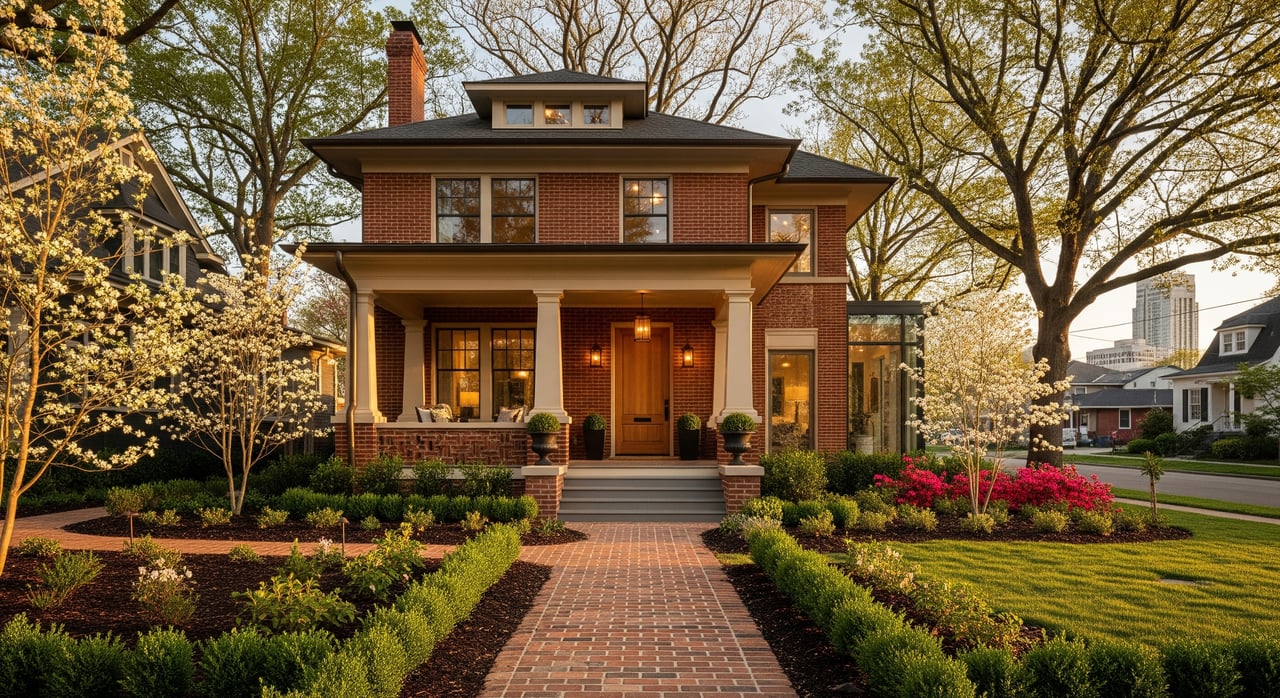
Thinking about putting your in-town Durham home on the market? Timing matters more than most sellers realize, especially in neighborhoods with historic charm and mature landscaping. You want a launch window that maximizes buyer traffic, showcases curb appeal, and aligns with local hiring and relocation cycles. This guide gives you a clear plan for when to list, how to prepare, and how to tailor your marketing for the strongest results. Let’s dive in.
Durham’s best listing windows
If your goal is maximum demand and a strong sale-to-list outcome, two seasons stand out in central Durham:
- Best window: mid-March through mid-June. Industry research consistently shows spring as the strongest seller season across temperate East Coast markets. In Durham, that aligns with peak curb appeal, comfortable showing weather, and buyer timelines before the fall school year.
- Secondary window: late August through October. After the summer lull, motivated buyers often re-enter the market and inventory can tighten, creating solid conditions for a well-presented listing.
- Slower periods to avoid when possible. Major winter holidays and late December typically bring reduced buyer traffic. Mid-July through August can soften activity due to vacations and heat, though committed relocators still buy.
Why spring delivers in in-town Durham
Spring puts your home’s best foot forward. Flowering trees, fresh turf, and clear skies make exterior photos pop, and comfortable temperatures encourage in-person tours. The period also matches Durham’s academic and healthcare hiring cycles, which add relocation demand on top of local buyers already planning moves before fall. With more active shoppers, you increase the odds of competitive interest.
The fall opportunity
Late August through October can be a smart second choice. Some buyers who paused in summer resume searching with focused timelines tied to relocations or job starts. If inventory tightens, a well-priced home that looks move-in ready can command attention. Warm interior photography and tidy fall plantings help your listing feel inviting.
When to think twice
- Major winter holidays and late December generally bring fewer showings and slower response times.
- Mid-July through August can reduce curb appeal unless landscaping is expertly maintained.
- If you must list in summer, focus on pricing discipline, shade and irrigation for lawn health, and crisp, bright interior photos.
Local forces that shape demand
Durham’s market rhythm is influenced by university and healthcare calendars. Duke University and Duke Health, along with Research Triangle employers, contribute to late-spring and summer relocations that increase buyer activity. Ongoing job growth supports year-round demand, but seasonality still shows up in showing traffic and sale speed.
Weather also plays a role. Durham’s humid subtropical climate makes spring bloom a curb-appeal advantage, while hot, humid summers can challenge lawns and plantings if not maintained. Plan your outdoor work and photography so your exterior looks fresh, green, and inviting when you launch.
Prep timeline to hit your target window
Start planning 3 to 6 months before your ideal list date. This lead time is especially useful for historic homes and urban lots that need thoughtful updates, approvals, or landscaping.
4–6 months out: plan and approve
- Consult local historic preservation guidelines if you are in a designated district. Exterior material or appearance changes often require review and approval, so build in time.
- Order a pre-listing inspection if you suspect deferred maintenance. Use it to prioritize safety, structural, and system items.
- Interview agents who work central Durham regularly. Ask for neighborhood-specific comps and a pricing strategy tailored to historic or design-forward homes.
2–4 months out: repairs and landscaping
- Complete essential repairs first: leaks, HVAC issues, electrical safety, and plumbing concerns. Visible, safety-related fixes build buyer confidence.
- Time landscaping so it’s at peak condition for photos. For spring launches, schedule hardscape and plant installation in late winter or very early spring, giving turf and beds time to establish.
- In historic districts, use period-appropriate materials where visible from the street. Preserving original trim, porches, and windows often draws meaningful buyer interest.
4–8 weeks out: style and stage
- Declutter, depersonalize, and deep clean to let the architecture breathe. Neutral backdrops help highlight mantels, built-ins, and woodwork.
- Consider a stager with historic and urban property experience. Their goal is to complement original details without feeling “theme-y” or dated.
- Schedule professional photography for the best natural light. Spring and early summer usually deliver bright, balanced interior light and lush exteriors.
1–3 weeks out: final prep and marketing
- Finish paint touch-ups, caulking, pressure washing, and minor carpentry.
- Prepare marketing that highlights walkability, proximity to employment centers, and lifestyle features like porches and gardens.
- If you plan open houses, target the first two weekends after launch when online momentum is highest.
Staging and curb appeal for historic and in-town homes
In central Durham, many buyers value authenticity, design, and low-maintenance livability. Your preparation should honor character while calming concerns about upkeep.
Preserve what buyers love
If your home has character-defining elements, keep them front and center. Original trim, porch columns, beadboard ceilings, and classic windows can be major draws. Small, sensitive repairs typically outperform more noticeable replacements that alter the façade’s historic look. Showcase these features in staging and in your lead photography.
Landscaping that fits urban lots
Urban lots reward clarity and simplicity. Aim for tidy edges, defined walkways, clean railings, and thoughtful plantings that frame rather than hide the architecture. Seasonal color in beds or containers goes a long way. Good exterior lighting improves both curb appeal and evening showings.
Stage with a light touch
For period homes, use furnishings and color palettes that complement the architecture without feeling heavy. For modern or renovated in-town properties, emphasize open sightlines, natural light, and updated systems that signal easy living. Avoid overly busy décor that competes with the home’s lines and finishes.
Systems and transparency
In older homes, buyers look closely at electrical, HVAC, plumbing, and roofs. If you have recent upgrades, document them clearly. A pre-listing inspection can reduce friction and help keep negotiations cleaner, especially when buyers are comparing historic charm with the realities of maintenance.
Pricing and marketing by season
Your pricing and storytelling should align with the moment you launch.
- Spring strategy. With larger buyer pools and more comparable sales, price tightly against recent in-town comps. Strong presentation and a competitive price can invite multiple offers. Lean on bright, blooming exterior photos and highlight outdoor spaces and walkability.
- Fall strategy. When inventory is lighter, focus your narrative on move-in readiness and recent system updates. Warm, welcoming interior imagery resonates in cooler months and can help buyers picture quick occupancy.
- Showings and open houses. Spring weekends typically deliver higher foot traffic. Schedule showings for peak daylight to emphasize natural light and craftsmanship. Make sure paths and porches are safe, clean, and well lit.
Sample countdown for a mid-April launch
- 4–6 months out: confirm any historic-district requirements; order a pre-listing inspection; interview agents.
- 2–4 months out: complete major repairs; schedule landscaping so grass and beds peak for photos.
- 6–8 weeks out: declutter and stage; order any period-appropriate finishes or rental pieces.
- 2–3 weeks out: deep clean; final staging; book photography for the first stretch of clear, sunny weather.
- Listing week: go live mid-week, hold a weekend open house, and maintain daily curb appeal.
Ready to talk timing?
If you want your in-town Durham home to launch at its peak, a tailored plan makes all the difference. From block-level pricing to design-forward staging, you deserve a calm, hands-on partner who understands historic character and modern buyer expectations. Reach out to Tim Hock to map your ideal timeline and prepare a listing that captures attention and value.
FAQs
Is August or November a bad time to sell a Durham home?
- Not necessarily; late summer and early fall can still perform well when inventory is tight and your home is priced and presented effectively.
How important is curb appeal for a historic in-town listing?
- Very important; tidy, scale-appropriate landscaping that reveals architectural features improves first impressions and online engagement.
Do I need approvals for exterior work in Durham historic districts?
- Often yes; visible material or appearance changes may require review, so confirm local historic preservation guidelines early in your timeline.
Should I get a pre-listing inspection for an older Durham home?
- It’s helpful; identifying issues upfront reduces buyer uncertainty and supports smoother negotiations, especially for historic properties.
When should I schedule listing photos in Durham?
- Book photography 1–2 weeks before going live and aim for peak landscaping and strong natural light; late April to May often looks best.
