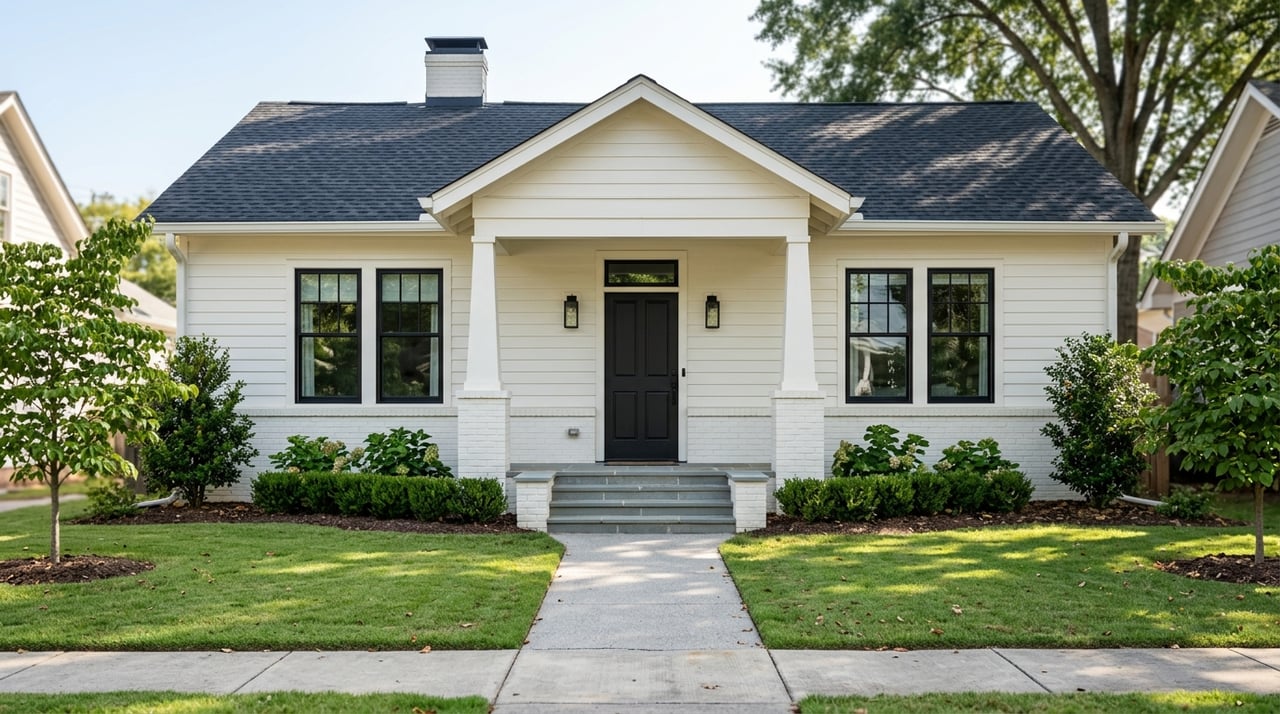
Wondering whether Durham’s charm lives in a front porch with original trim or in a newly built home with modern systems and lower day-one maintenance? If you are choosing between a historic home and a newer in-town build, you are not alone. In Durham, both options can be compelling, and the right fit often comes down to how you want to live, maintain, and invest in your home. Let’s dive in.
Durham Offers Both Character And Context
Durham is not a market where the choice is simply “old versus new.” In many in-town areas, historic homes and newer infill homes exist along the same broader spectrum of neighborhood stewardship, design, and walkable urban living.
That matters because Durham’s rules support both preservation and thoughtful new construction. The city’s local historic districts help protect established streetscapes, while infill standards in the Urban Tier are designed to make new homes fit the rhythm, setbacks, bulk, and height of the surrounding street.
What Counts As A Historic Home In Durham?
In Durham, local historic districts are zoning overlays, not just honorary labels. The city currently has eight designated local historic districts: Cleveland Street, Downtown Durham, Fayetteville Street, Golden Belt, Holloway Street, Morehead Hill, Trinity Heights, and Watts-Hillandale.
It is also important to know that local historic designation is different from National Register listing. A National Register listing can recognize historic significance and may open the door to rehabilitation tax credits, but by itself it does not restrict private property use, treatment, transfer, or disposition.
Why Buyers Love Historic Homes
Historic homes often draw buyers in with details that are hard to recreate. In Durham’s older neighborhoods, you may find porches, mature street trees, established sidewalks, and architecture that reflects many different periods rather than one uniform style.
That variety is part of the appeal. Trinity Heights includes Neoclassical, Victorian, Spanish Mission, and bungalow houses, while Watts-Hillandale includes Queen Anne, Craftsman bungalow, Foursquare, Colonial Revival, Tudor Revival, and Period Cottage examples.
If you value a home that feels rooted in its setting, historic neighborhoods often deliver that sense of place. Durham’s preservation plans also encourage thoughtful rehabilitation, compatible new construction, and new investment, so these areas are not meant to be frozen in time.
What To Know About Historic-Home Responsibilities
The tradeoff with a historic home is that exterior work may involve more review. In Durham, exterior changes to a locally designated historic property generally require a Certificate of Appropriateness, often called a COA.
That can include additions, siding, windows, above-ground utilities, landscaping, paving, and walls or fences, even when the work is not visible from the street. Routine maintenance may not require a COA if it does not change appearance, such as repainting a previously painted surface or replacing a small amount of material in kind.
For many buyers, this is not a downside so much as a planning issue. If you enjoy caring for architectural details and want to make changes thoughtfully, the process can feel manageable. If you prefer quick exterior updates without review, it is something to weigh early.
Older Systems Need Closer Review
With an older home, systems and materials deserve extra attention. Homes built before 1978 are more likely to contain lead-based paint, and renovation work that disturbs that paint can create hazardous lead dust.
For certain renovation, repair, and painting jobs in pre-1978 homes, contractors must be lead-safe certified. Older houses also often have less insulation than homes built today, so air sealing and insulation upgrades are common comfort and efficiency improvements.
This does not mean you should avoid older homes. It means you should ask better questions and understand where future improvements may be needed.
A Possible Historic-Home Financial Upside
For some buyers, a historic property may come with incentive potential. North Carolina’s State Historic Rehabilitation Tax Credit program says owners of qualifying owner-occupied historic homes may receive a 15% state credit for qualified rehabilitation work, subject to the program’s eligibility and spending rules.
Not every property or project will qualify, and the details matter. Still, if you are considering a preservation-minded purchase, this is one of the more meaningful questions to explore before you finalize your plans.
Why New Infill Homes Appeal To Buyers
Newer infill homes offer a very different kind of confidence. In many cases, they give you a clean slate with newer insulation, windows, air sealing, and HVAC systems, which can mean fewer immediate projects after closing.
In Durham, newer in-town homes are not necessarily built without regard for their surroundings. The city’s infill standards are intended to preserve the basic feel of a street by aligning new development with existing patterns of setbacks, massing, and height.
That can make newer homes especially appealing if you want modern living without leaving established in-town areas. You may get contemporary systems and a more move-in-ready experience while still being part of a neighborhood with an existing streetscape.
Efficiency Can Be A Major Plus
From an ownership standpoint, efficiency is one of the strongest arguments for newer construction. ENERGY STAR says certified new homes are independently verified for insulation, windows, air sealing, and HVAC performance.
ENERGY STAR NextGen homes average about 20% more efficiency than homes built to typical code levels. These homes can also include features such as heat pumps, heat pump water heaters, electric cooking, and EV-charging capability.
The Department of Energy also notes that insulation is more cost-effective to install during construction than to retrofit later. For buyers who want easier day-one ownership, that can be a meaningful advantage.
New Construction Still Has Rules
A newer home does not mean a free-for-all. In Durham’s Urban Tier, infill standards apply broadly to new residential construction and certain residential modifications on sites under four acres.
The city also says its Landscape Manual applies to all new development and is being revised to maintain and enhance tree canopy. So even when a home is newly built, the lot, planting, and overall site design still matter.
For buyers, that means new construction in Durham is often shaped by context. The goal is usually not to ignore the surrounding neighborhood, but to fit into it in a more thoughtful way.
How To Compare Historic And New Homes
If you are deciding between the two, it helps to think beyond style alone. The better question is how each option fits your priorities, timeline, and comfort level with ongoing upkeep.
Here is a simple way to frame the choice:
- Choose a historic home if you value architectural character, mature streetscapes, established sidewalks, and the experience of owning a home with visible history.
- Choose a newer infill home if you value modern systems, fewer immediate retrofit projects, and a more streamlined ownership experience.
- Look closely at both if you want in-town Durham living and care about how a home fits its neighborhood.
In practice, many buyers are choosing between stewardship and simplicity, not quality and compromise. Durham supports both paths when the home is well designed and well maintained.
Smart Questions To Ask Before You Buy
The right questions can quickly clarify whether a property is a fit. They can also help you avoid surprises after closing.
Questions For Historic Homes
- Is the property in a local historic district or landmark area?
- What exterior work has already been approved?
- Which repairs or upgrades will require a COA?
- Were pre-1978 materials handled with lead-safe practices during past work?
- Could the property qualify for historic rehabilitation tax credits?
Questions For New Infill Homes
- Does the home meet ENERGY STAR or another efficiency standard?
- How does the design respond to Durham’s infill expectations for setbacks, massing, and height?
- What landscape or tree-canopy obligations shape the lot?
- What features reduce the need for near-term upgrades after move-in?
The Best Choice Depends On Your Version Of Home
Some buyers walk into a historic Durham home and immediately connect with the original proportions, street trees, and layered architecture. Others feel most at ease in a newer in-town home where the systems are current and the maintenance list is shorter.
Neither preference is more correct. The better fit is the one that matches how you want to live, what projects you are open to taking on, and how much value you place on historic character versus modern convenience.
In a city like Durham, that choice can be especially rewarding because both types of homes often reflect a stronger sense of place. If you want help sorting through the tradeoffs block by block, Tim Hock offers thoughtful, hands-on guidance for buyers and sellers navigating Durham’s historic homes and curated in-fill opportunities.
FAQs
What is a local historic district in Durham?
- A local historic district in Durham is a zoning overlay area where exterior changes generally require a Certificate of Appropriateness, depending on the type of work.
What exterior work needs approval for a Durham historic home?
- In Durham, exterior changes such as additions, siding, windows, above-ground utilities, landscaping, paving, and walls or fences may require a Certificate of Appropriateness for a locally designated historic property.
What is the difference between National Register listing and local historic designation in Durham?
- National Register listing recognizes historic significance and may help with rehabilitation tax credit access, while local historic designation is the one that brings design-review requirements for exterior changes.
Are newer infill homes in Durham built to match the neighborhood?
- Durham’s infill standards are intended to preserve a street’s basic feel by guiding new development around existing rhythm, setbacks, bulk, and height.
What efficiency benefits can a new Durham infill home offer?
- A newer home may offer more up-to-date insulation, windows, air sealing, and HVAC systems, and ENERGY STAR says certified new homes are independently verified for those features.
Should buyers worry about lead-based paint in older Durham homes?
- If a home was built before 1978, it is more likely to contain lead-based paint, so buyers should ask whether renovation work was handled using lead-safe practices.
Can a Durham historic home qualify for tax credits?
- Some qualifying owner-occupied historic homes in North Carolina may be eligible for a 15% state credit for qualified rehabilitation work, subject to program rules and eligibility requirements.
