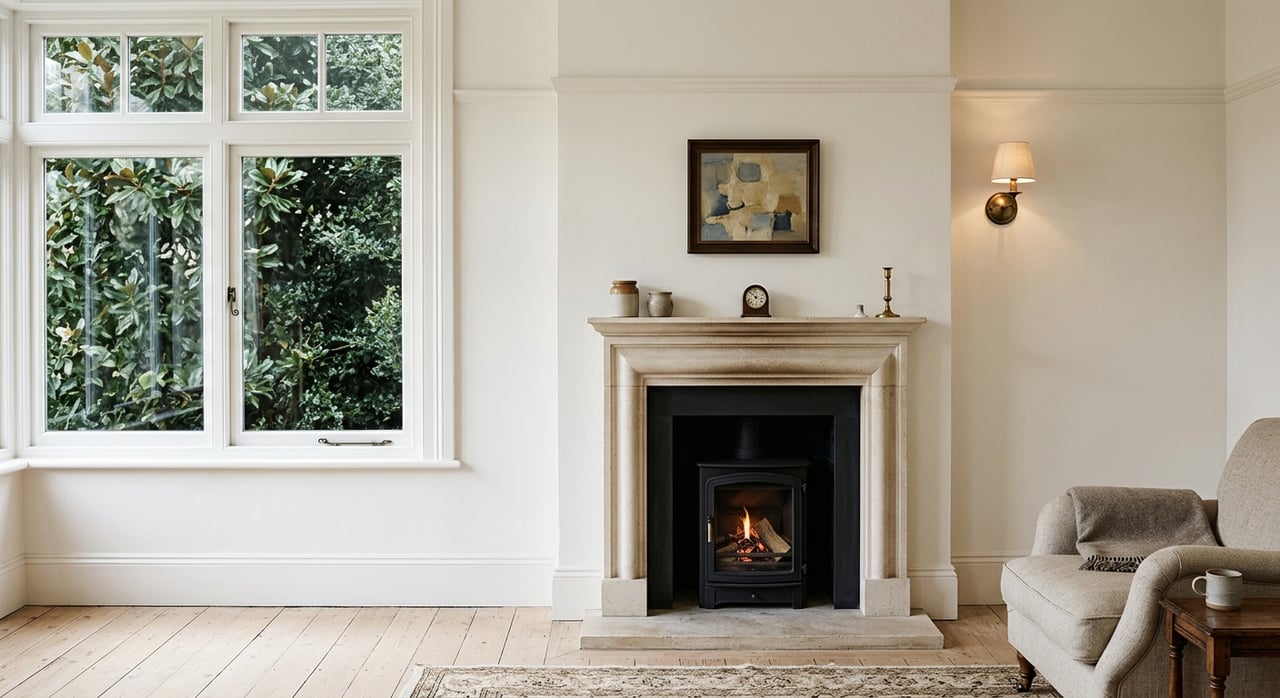
Wondering what actually makes a Durham historic home stand out without stripping away the character that makes it special? In many of Durham’s older neighborhoods, the biggest design wins are not dramatic renovations. They are thoughtful, smaller choices that help original details read more clearly, photograph better, and feel more cohesive to buyers. If you are preparing to sell, refreshing a historic home with care can improve both presentation and confidence. Let’s dive in.
Why details matter in Durham
Durham has a well-defined preservation framework, and that shapes how historic homes are updated and presented. The city identifies local historic districts and landmarks, and designated properties are mapped through DurhamMaps. Examples of local historic districts include Cleveland and Holloway Street, Downtown Durham, Fayetteville Street, Golden Belt, Morehead Hill, Trinity Heights, and Watts-Hillandale.
If your home is locally designated, exterior changes to the building or site may require a Certificate of Appropriateness before permits are pulled or work begins. Durham also notes that repainting a previously painted surface is generally treated as maintenance, while minor COAs often cover smaller changes like landscaping, site work, and rear decks. That means even seemingly simple updates can benefit from a quick review before you start.
Durham’s Historic Preservation Commission is also authorized to advise owners on historical and visual features, including color schemes, gardens, landscape features, and minor decorative elements. In other words, the details that make a home feel polished are the same details that often matter most in a historic setting.
Start by highlighting original character
Historic homes usually show best when the architecture leads. Preservation guidance emphasizes keeping distinctive materials, finishes, spaces, and spatial relationships whenever possible. If a feature needs repair or replacement, the recommended approach is to match the old work in design, color, texture, and composition.
That principle is helpful whether you are making updates for your own enjoyment or preparing to list. In practical terms, you usually get the strongest result by clarifying what is already there instead of introducing features that compete with it.
In Durham preservation planning, character-defining features can include porches, sash windows, sidelights, and window and door treatments. Inside the home, trim, fireplaces, doors, transoms, hardware, and finishes also contribute to the overall impression. When buyers walk through or view photos online, those are the details that help a home feel authentic and memorable.
Use lighting that fits the house
Lighting can elevate a historic home quickly, but scale and style matter. Preservation guidance treats light fixtures as part of the historic fabric, which means they should feel integrated with the home rather than oversized or attention-seeking.
A better approach is layered lighting with fixtures that respect the room’s proportions and original detailing. You want enough light for daily life and photography, but not at the expense of trim, windows, stair halls, or porch details that deserve visual space.
For sellers, this often means editing rather than replacing everything. A few well-chosen fixtures can create a cleaner, more cohesive look across the house and make each room feel brighter without losing period character.
Choose paint and finish tones carefully
Paint is one of the easiest ways to freshen a home, but in a historic house, color choices carry more weight. Preservation guidance treats color and finish as character-defining, and it cautions against using colors or finishes that are inappropriate to the building’s historic character.
That does not mean every room needs to be stark white. In many Durham historic homes, restrained and coherent tones work best because they allow original plaster, woodwork, trim, and door details to stand out. A calm palette also tends to photograph well and makes transitions between rooms feel more intentional.
If your home has original features with a distinct finish, think twice before covering them in a way that flattens their character. The goal is not to erase age. It is to present the home as cared for, balanced, and visually clear.
Refresh hardware for an easy upgrade
Small components often make a surprisingly large difference. Preservation guidance specifically identifies hardware and similar elements as character-defining, and Durham’s Historic Preservation Commission can advise on minor decorative elements.
That makes hardware one of the smartest places to refine your home’s presentation. Door knobs, hinges, cabinet pulls, house numbers, and porch hardware can all help a property feel more finished when the profiles and finishes are visually compatible with the house.
Consistency matters here. If every room has a different metal finish or style, the home can feel pieced together. A more unified approach usually reads as calmer and more intentional, especially in listing photos.
Let art support the architecture
In a historic home, art should complement the room, not block its best features. Preservation guidance emphasizes the relationship between features and spaces, which is a useful staging principle.
That means art placement should respect sightlines to mantels, stair halls, windows, and built-ins. Pieces that are scaled thoughtfully and centered with care can reinforce the room’s proportions without drawing attention away from the architecture.
For sellers, this often means fewer pieces with better placement. Clean walls and edited styling can help buyers notice ceiling height, original millwork, and natural light more easily.
Focus curb appeal on clean, compatible updates
Exterior presentation has an outsized impact because it shapes the first impression online and in person. In Durham’s preservation framework, exterior features like masonry walls, fences, light fixtures, steps, pavement, and other appurtenant features are part of the historic resource.
That is why the most effective curb-appeal improvements are often simple and disciplined. Clean sightlines, compatible lighting, tidy hardscape, and restrained planting usually do more for a historic façade than heavy ornament or overly busy landscaping.
The Trinity Heights preservation plan also points to compatible lighting, signage, landscaping, trees, and plantings as elements that reinforce neighborhood identity. For your own home, that suggests an exterior refresh should feel connected to the house and its setting, not detached from it.
Keep landscaping edited and layered
Durham’s Landscape Manual supports a practical, lower-maintenance approach that aligns well with historic homes. It highlights accepted horticultural practices, Water-Wise principles, native southeastern plants, layered planting, reduced turf areas, and avoiding invasive plants.
For many historic properties, a layered landscape plan creates a finished look without overwhelming the façade. Foundation plantings, defined edges, and a clear path to the front door can make the architecture easier to read and the entry feel more welcoming.
The manual also notes that tree placement should avoid conflicts with lighting and utilities, and that tree shadows can affect lighting performance. So when you refresh the front yard, it helps to think about how plants and lighting work together, especially for evening showings or exterior photography.
Know when a COA may apply
One of the most common questions sellers have is whether a planned change needs review. In Durham, if your property is in a local historic district or is a designated landmark, modifications to the building or site may require a Certificate of Appropriateness before work begins.
Minor COAs commonly include landscaping and site work, along with other smaller modifications that do not significantly alter original character. Repainting an already painted surface is generally treated as maintenance, but modest exterior projects can still fall into review territory.
If you are unsure, it is smart to check first. That small step can help you avoid delays and keep your update plan aligned with local expectations.
Stage for architecture, not decoration
Staging matters because buyers respond to spaces they can understand quickly. Industry staging research cited in the report found that many buyers expect homes to look professionally staged, and that staging helps them visualize the property as a future home. Agents also recommend practical pre-listing steps like decluttering, cleaning, curb appeal work, minor repairs, depersonalizing, paint touch-ups, and landscaping.
For a Durham historic home, the best staging strategy is usually edited rather than elaborate. Clean surfaces, balanced furniture, visible windows, and a restrained palette allow the home’s architecture to take the lead.
The rooms that often deserve the most attention are the living room, primary bedroom, kitchen, outdoor areas, and front approach. In historic homes especially, porches, façades, and main gathering spaces help tell the story buyers remember.
Where sellers get the biggest payoff
If you are deciding where to spend time and money before listing, focus first on updates that improve clarity. Lighting, paint touch-ups, cohesive hardware, fresh landscaping, cleaning, and minor repairs can sharpen the home’s presentation without compromising its character.
These are also the details that tend to show up strongly in photography. Durham historic homes often sell best when the visual message is simple: cared-for architecture, thoughtful stewardship, and spaces that feel both timeless and livable.
That is where design-forward presentation can make a real difference. When you frame the right details instead of covering them up, buyers can see the home’s value more quickly and more clearly.
If you are preparing to sell a historic home in Durham, a thoughtful plan can help you decide what to preserve, what to refresh, and what will have the strongest visual return. Tim Hock brings a hands-on, design-aware approach to staging guidance, marketing, and neighborhood-specific strategy that helps distinctive homes stand out.
FAQs
What design details matter most in Durham historic homes?
- The biggest visual impact often comes from lighting, paint tone, hardware consistency, tidy landscaping, and staging that highlights original features like porches, windows, trim, and fireplaces.
What exterior changes may need COA review in Durham?
- If your home is in a local historic district or is a designated landmark, changes to the building or site may require a Certificate of Appropriateness, including some landscaping, site work, and other exterior modifications.
Is repainting a historic home in Durham considered maintenance?
- Repainting a previously painted surface is generally treated by Durham as maintenance, but it is still wise to confirm whether your project involves any additional work that may need review.
How can you update lighting in a historic home without losing character?
- Choose fixtures that fit the home’s scale and style, and use layered lighting to improve brightness without overpowering trim, windows, porches, or other original details.
How should landscaping support a Durham historic home?
- Landscaping usually works best when it is layered, restrained, and visually compatible with the house, with clear sightlines, fewer invasive plants, and thoughtful coordination between trees and lighting.
What staging approach works best for selling a Durham historic home?
- An edited approach usually performs best, with decluttered rooms, clean surfaces, balanced furniture, visible architectural details, and a calm palette that helps buyers focus on the home itself.
