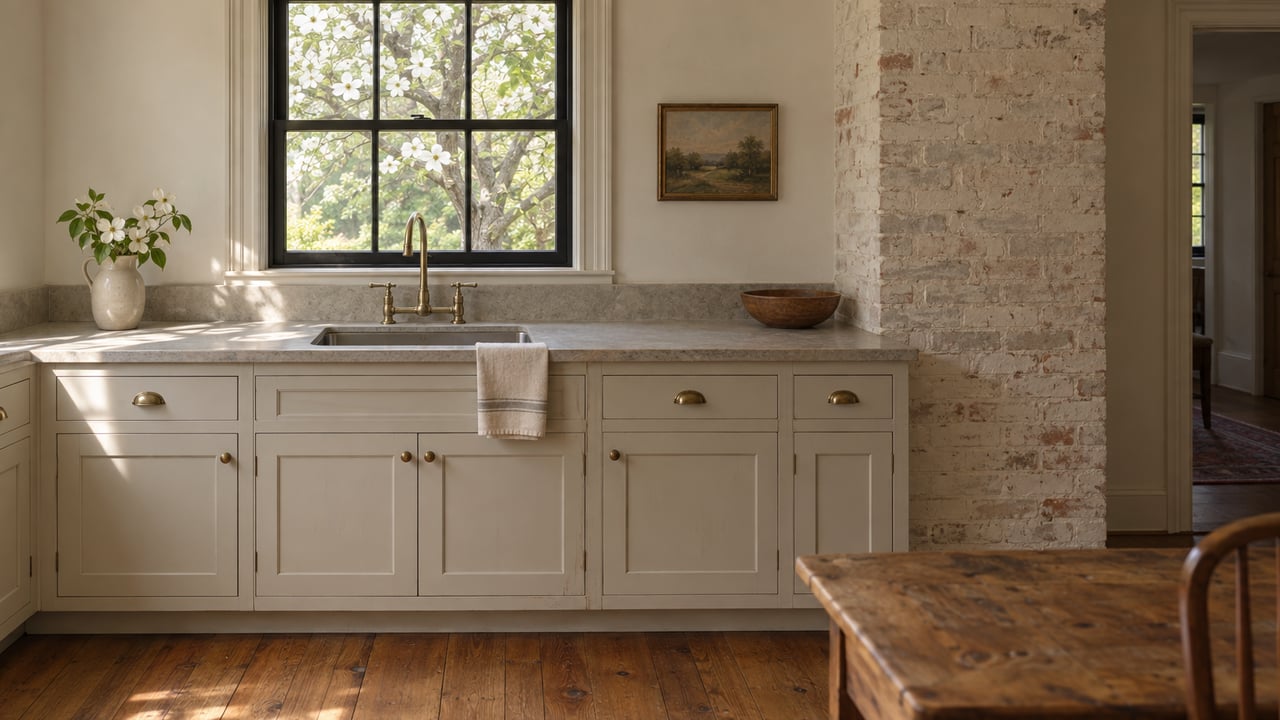
Two houses in Duke Park can sit three blocks apart and sell for prices that differ by more than half a million dollars. One recent stretch of sales in the neighborhood ran from about $340,000 for a smaller, untouched home to more than $1 million for a fully renovated one, even as the neighborhood's overall median landed at $480,000. That's not a fluke of one bad comp. It's the clearest illustration of a pattern that shows up across Durham's in-town historic pockets: the neighborhood name on a listing predicts far less about price than whether the house itself has already been through its renovation.
For anyone comparing Trinity Park, Old North Durham, Watts-Hillandale, Cleveland-Holloway, Duke Park, Forest Hills, or Woodcroft on the strength of a headline median, that median is doing less work than it appears to. Durham's citywide market, for context, sold at a median price of $425,000 over the three months ending July 2026, with homes averaging two offers and closing in around 31 days. Individual historic neighborhoods routinely blow past both numbers in one direction or the other, and the reason has less to do with location than with where each house sits on its own renovation timeline.
The Spread Inside a Single Zip Code
Old North Durham posted a median sale price of $720,000 in March 2026, with homes there spending a median of 131 days on the market before selling. That's a long stretch of time for a neighborhood commanding nearly double the citywide median, and it points to a market made up of two very different kinds of inventory: houses already brought current, moving quickly at a premium, and houses still waiting for that work, sitting longer while buyers weigh the cost and timeline of finishing the job themselves.
Forest Hills told a similar story from the other side of the ledger. Its neighborhood median approached $800,000, but that figure rested on only two recorded sales in March 2026. Woodcroft, by contrast, held a much lower median around $376,000, reflecting a housing stock weighted toward condos and townhomes rather than detached historic homes. None of these numbers are wrong. They're just describing markets too thin and too varied to summarize with a single figure.
Two Portals, Two Numbers, Same Neighborhood
Trinity Park makes the point even sharper. One data source put the neighborhood's median sale price at $445,000 in March 2026, based on five recorded sales. A separate source, looking at active listings just a few months later in August 2026, put Trinity Park's median at $707,000. Both numbers are accurate readings of what they measured. The gap between them exists because a neighborhood selling five or fewer homes a month can have its median moved by hundreds of thousands of dollars depending on whether that month happened to include a finished restoration or a fixer.
That volatility isn't a reason to distrust Trinity Park as a market. It's a reason to distrust any single month's median as a stand-in for what a specific house is worth. In neighborhoods this small, the property in front of you tells you more than the aggregate ever will.
The Approval Clock Behind the Renovated Listing
Part of what separates the finished home from the unfinished one in these neighborhoods is a process most buyers never think about until they own the house: Durham's Certificate of Appropriateness requirement. Trinity Historic District, Watts-Hillandale, and specific streets within Cleveland-Holloway, including Cleveland Street and Holloway Street, all carry local historic district designation. Any exterior modification to a property inside one of these districts, visible from the street or not, requires an approved Certificate of Appropriateness before work can begin.
Smaller scopes of work qualify for a Minor COA, reviewed by city staff on a rolling basis within 10 business days. Larger projects, or any work touching historic materials, require a Major COA, which needs a pre-submittal conference with planning staff before the application can even be filed, followed by a hearing before the Historic Preservation Commission. Skip the process and the consequences are specific: a Notice of Violation and a fine of up to $500 for every day the work remains out of compliance.
None of that shows up on a listing sheet. But it shows up in the price. A renovated home in one of these districts has already absorbed that approval timeline, the contractor negotiations, and the cost of doing the work to a standard the Commission will sign off on. An unrenovated neighbor is effectively pricing in all of that work still ahead of whoever buys it, which is a meaningfully different purchase than the square footage and bedroom count alone would suggest.
Where This Shows Up in Days on Market
Watts-Hillandale sold homes in a median of 34 days over the trailing twelve months, faster than the national average of 56 days for the same window. Old North Durham's 131-day median from March 2026 sits in stark contrast, even though both neighborhoods carry comparable historic character and walkability. The difference isn't desirability. It's inventory mix. A market where every listing is move-in ready will close faster than a market where half the listings still need the work that a renovated comp down the street has already completed.
Watts-Hillandale's own listing range makes the same point on the price side: homes there have sold anywhere from $257,000 to $1,025,000, with a trailing twelve-month median of $505,000. That range isn't a sign of a confused market. It's a sign of a neighborhood where condition and renovation status separate the top and bottom of the range more than location does.
What This Means If You're Comparing Durham Neighborhoods
A neighborhood median is a reasonable starting point for narrowing down a search. It's a poor tool for pricing an individual house. Before comparing two Durham historic neighborhoods on the strength of their medians, it's worth asking a more specific question about the house itself: has the exterior work already been done and approved, or is that process still ahead of the next owner? For a property inside Trinity Historic District, Watts-Hillandale, or the locally designated streets of Cleveland-Holloway, that question has a concrete answer, because the Certificate of Appropriateness process leaves a paper trail with the city.
For neighborhoods like Duke Park or Woodcroft, where a formal historic district overlay wasn't part of what turned up in this research, the same condition-versus-price relationship still holds, just without the added layer of commission review. Either way, the number that matters most isn't the neighborhood's median. It's where the specific house sits on its own renovation timeline.
A Few Questions Worth Asking
Does every historic-sounding Durham neighborhood require a Certificate of Appropriateness before renovation work? No. Only properties within a locally designated historic district carry that requirement. A neighborhood being old, or being commonly described as historic, doesn't by itself trigger the process. Confirming designation status on a specific property is worth doing before assuming either the protection or the added approval step applies.
How long does a Major COA typically take from start to finish? The process requires a pre-submittal conference with planning staff before an application can be filed, and the project isn't scheduled for a Historic Preservation Commission hearing until that application is complete. Timing depends on how quickly staff comments are resolved and where the project lands on the Commission's calendar, which varies month to month.
Why do two data sources sometimes show wildly different medians for the same small neighborhood? In markets with very few monthly sales, one or two transactions can shift the median by a large margin. Trinity Park's own numbers moved by hundreds of thousands of dollars within a few months for exactly this reason. A single month's figure in a thin market is a data point, not a verdict.
Comparing Durham's historic neighborhoods on price alone will only get you so far. If you want a read on where a specific house sits on its own renovation and approval timeline, before you make an offer or list one of your own, Tim Hock Properties can walk that block-by-block history with you.
