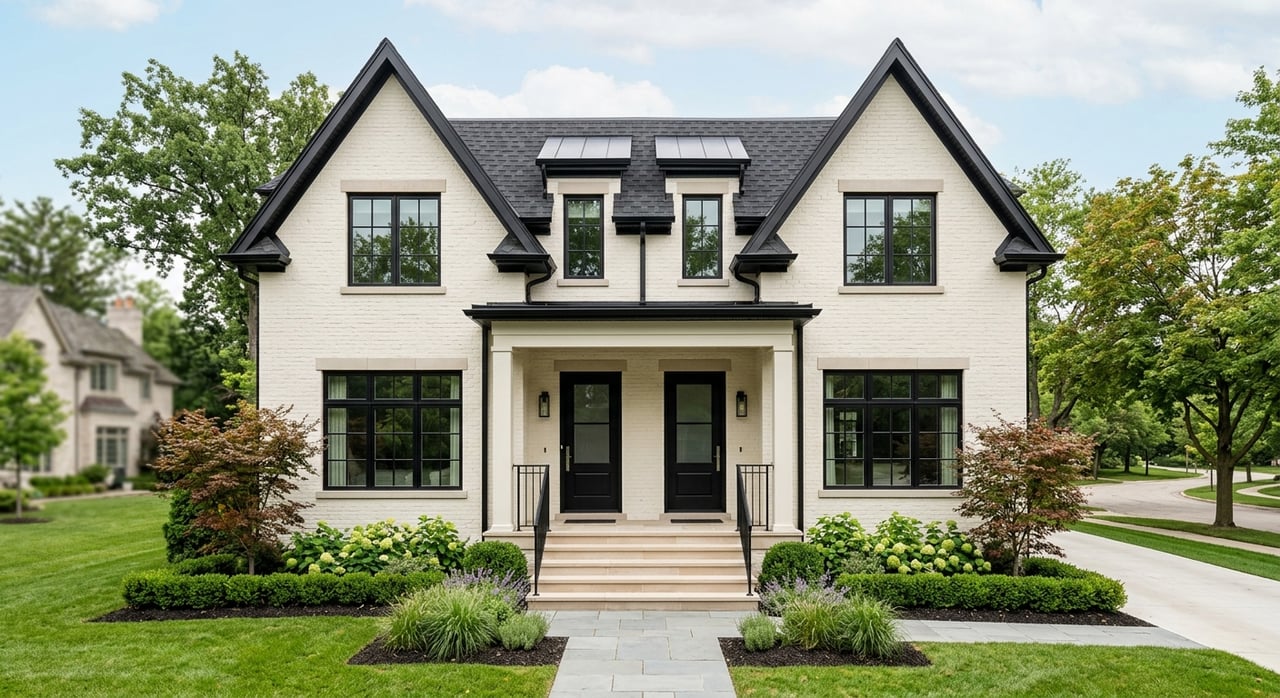
If you have been eyeing a duplex, triplex, or fourplex in Durham, you are not alone. Small multifamily properties can offer a rare mix of flexibility, income potential, and a foothold in an in-town market where many buyers want more than a standard single-family setup. If you are thinking about house hacking, long-term rental income, or a property that can evolve with your goals, this guide will help you understand what matters most in Durham before you buy. Let’s dive in.
What Counts as Small Multifamily in Durham
In Durham, small multifamily usually means duplexes and multiplexes with 3 to 4 units. Under the city’s development rules, a duplex is two dwelling units on one lot, and those units can be attached or detached. A multiplex is a 3- or 4-unit building on one lot, with units that may be stacked, side-by-side, attached, or detached.
That distinction matters because financing, zoning, parking, and renovation planning can all shift based on whether you are buying a 2-unit property or a 3- to 4-unit one. It also helps set expectations as you compare listings, since apartments in Durham are generally considered 5 or more units.
Durham’s housing market gives this category real appeal. With an estimated 301,870 residents in July 2024, an owner-occupied housing rate of 52.3%, and a median gross rent of $1,508, small multifamily can be attractive to both owner-occupants and investors looking for a housing-plus-income strategy.
Why Buyers Look at Durham Multifamily
For many buyers, the appeal is simple. You may be able to live in one unit and rent the others, or buy a property that creates multiple income streams on a single lot. That can make small multifamily feel more flexible than a single-family home.
Durham also notes that duplexes can offer lower per-unit pricing than a comparable single-family house. If you are analyzing monthly carrying costs and future rent potential, that can make duplexes especially worth a closer look.
In practical terms, small multifamily often appeals to three kinds of buyers:
- Buyers who want to offset their housing payment with rental income
- Investors who want a smaller-scale income property
- Buyers who want long-term flexibility for guests, extended household use, or future rental plans
Start With Zoning, Not the Listing
In Durham, zoning is the first real filter. Before you get too attached to a property, verify what is actually allowed through Durham Maps and the Unified Development Ordinance rather than relying on listing remarks.
New duplexes are by-right only in certain zoning districts, including RU-5(2), RU-M, RC, and RS-M. Some design districts may also allow two-family units, but the property still has to meet district-specific standards.
You also need to watch for overlays and special review areas. Local historic districts and neighborhood protection overlays can add rules tied to form, bulk, massing, and architectural detail. In a city like Durham, where neighborhood character often matters block by block, those details can shape what you can build, change, or expand.
Parking Can Change the Math
Parking is not a small detail. Durham’s duplex guidance says each unit generally needs two parking spaces, though some limited on-street accommodation may work when frontage allows.
That means a property with strong income potential on paper may be less feasible in reality if the lot layout does not support parking. If you are comparing in-town properties, especially older ones, parking should be part of your early feasibility review.
Financing a 2- to 4-Unit Property
Financing a small multifamily property is different from financing a standard single-family home. The lender will usually care not just about the purchase price, but also about rents, leases, reserves, and whether the appraisal supports the income assumptions.
For FHA-insured loans, 1- to 4-unit properties can qualify, and the down payment can be as low as 3.5% of the purchase price. For 3- and 4-unit properties, FHA adds a self-sufficiency test. The property’s PITI divided by monthly net self-sufficiency rental income cannot exceed 100%, and HUD requires Form HUD-92561 for two-unit and three- to four-unit properties.
Fannie Mae also allows rental income from the other units in a 2- to 4-unit principal residence, though you generally cannot count rent from the unit you will occupy. Lenders use Form 1025 for these properties, and each unit’s rent must be documented separately. Even when you are not using rent to qualify, gross monthly rent still has to be documented for lender reporting.
Freddie Mac also offers mortgages for owner-occupied primary residences with 2 to 4 units. The broader takeaway is that for a Durham small multifamily purchase, the rent schedule and appraisal matter almost as much as the asking price.
What Lenders Usually Scrutinize
When you buy a small multifamily property, expect lender review to go beyond your personal income and credit. In many cases, the lender will closely review:
- Existing leases n- Current rents by unit
- Market rent support in the appraisal
- Reserve strength
- Whether one unit will be owner-occupied
If the numbers are tight, a property that looks appealing online can become harder to finance than expected. That is one reason it helps to analyze each unit carefully before you make an offer.
Analyze Income Conservatively
One of the biggest mistakes buyers make is treating advertised rent or seller projections as the whole story. A more realistic review compares actual rent, market rent, and lender-usable rent for each unit.
Those numbers are not always the same. A unit may be leased below market, or the appraiser may support a different rent than the seller expects. Lender rules can also limit how much of that rent counts for qualification.
A conservative Durham analysis should also include:
- Vacancy
- Maintenance
- Turn costs
- Cash reserves
- Shared systems that affect multiple units at once
This is especially important in older in-town properties, where one roof, one plumbing issue, or one HVAC decision can affect several units at the same time.
Review Permits Before Planning Renovations
Many Durham buyers look at small multifamily through a value-add lens. Maybe you want to improve one unit, update kitchens and baths, or repair a property with strong bones in a close-in location. If that is your plan, permitting needs to be part of your due diligence.
Durham Building & Safety handles permitting and inspections. The city’s Small Project Review covers renovations, additions, decks, porches, repairs, pools and hot tubs, photovoltaic arrays for one- and two-family structures, and demolitions of houses, duplexes, and townhomes.
The city also says a building permit is required for any project involving load-bearing work or any project exceeding $40,000 in market value. If you are underwriting a property based on future improvements, you will want clarity on what work is allowed, what review is needed, and how that affects your timeline and budget.
Understand Durham Rental Compliance
If you plan to rent units in the property, it helps to understand the local operating framework before closing. Durham’s Proactive Rental Inspection Program applies to all residential rental properties in the city.
The city says owners of rental property with three or more Minimum Housing Code violations in the prior year must register the property, unless they meet the conditions of the Compliance Incentive Program. Even if a property is currently occupied and running smoothly, you should still review code history and maintenance condition with future compliance in mind.
This is one of the reasons a clean inspection process matters so much. A lower purchase price is not always a bargain if the property needs more code-related work than expected.
Check Leases and Security Deposits Carefully
If the property is tenant-occupied, due diligence should include more than reading the leases. In North Carolina, the Tenant Security Deposit Act sets clear rules for deposit limits, handling, and accounting.
Deposit limits depend on lease term:
- Two weeks’ rent for week-to-week leases
- One and one-half months’ rent for month-to-month leases
- Two months’ rent for longer lease terms
Deposits must be held in a trust account or backed by a bond, and tenants must be notified of the institution within 30 days of lease start. After the tenancy ends, the landlord must provide an itemized accounting within 30 days, with a final accounting within 60 days if needed, and normal wear and tear cannot be charged against the deposit.
If an occupied property changes hands, North Carolina law says the seller must transfer the remaining deposit to the successor landlord or return it to the tenant within 30 days. That makes deposit records, lease files, and a clear accounting trail essential parts of purchase review.
Fair Housing and Tenant Practices Matter
If you plan to advertise or screen tenants after closing, you need compliant systems from day one. Durham enforces both the federal Fair Housing Act and the City of Durham Fair Housing Ordinance.
These rules prohibit discrimination in the sale or rental of housing based on protected characteristics including race, color, national origin, religion, sex or gender, disability, familial status, military status, protected hairstyles, sexual orientation, and sexual identity. That means your advertising, screening, and application process should be consistent, documented, and professional.
North Carolina also protects tenants from retaliatory eviction for good-faith complaints about repairs or code violations. If a tenancy needs to end, summary ejectment is the legal route for removal after the tenancy ends.
Decide Whether You Will Self-Manage
Some buyers want to self-manage a duplex or fourplex, especially if they plan to live on site. Others want a more hands-off approach. Either path can work, but it helps to decide early.
In North Carolina, leasing and renting real estate for others is treated as broker activity. An owner or lessor managing property they own is exempt. In practice, if you hire a professional property manager in Durham, that manager should be a licensed broker or work within a licensed brokerage structure.
A solid management agreement should clearly cover:
- Leasing responsibilities
- Rent collection
- Maintenance coordination
- Accounting
- Notice handling
A Smart Durham Buying Workflow
Buying a small multifamily property in Durham usually goes best when you treat it as both a home search and a business decision. The cleanest process is usually front-loaded with due diligence instead of back-loaded with surprises.
A practical workflow looks like this:
- Verify zoning and overlays
- Secure lender preapproval for 2- to 4-unit financing
- Review leases, rents, and security deposit records
- Inspect the building with code compliance and rent-readiness in mind
- Line up your attorney, CPA, and property management plan before closing
That kind of preparation is especially helpful in Durham, where zoning standards, in-town lot constraints, historic overlays, and rental compliance can all shape the success of the purchase.
Why Local Guidance Helps
Small multifamily purchases ask you to balance architecture, numbers, and neighborhood context all at once. In Durham, that often means reading a property beyond the listing sheet and understanding how zoning, parking, renovation potential, and existing tenancy fit together.
That is particularly true in established in-town areas, where the most interesting properties may also come with more nuance. A careful, local eye can help you sort out whether a building is simply charming, or truly workable for your goals.
If you are considering a duplex, triplex, or fourplex in Durham and want a grounded read on the opportunity, Tim Hock offers thoughtful, neighborhood-first guidance shaped by years of hands-on experience in Durham’s in-town market.
FAQs
What is considered a small multifamily property in Durham?
- In Durham, small multifamily usually means a duplex with 2 units or a multiplex with 3 to 4 units on a single lot.
What zoning should you check before buying a duplex in Durham?
- You should verify zoning and overlays through Durham Maps and the Unified Development Ordinance, since new duplexes are by-right only in certain districts such as RU-5(2), RU-M, RC, and RS-M.
Can you use FHA financing for a 3- or 4-unit property in Durham?
- Yes, FHA-insured loans can be used for 1- to 4-unit properties, but 3- and 4-unit purchases must also meet FHA’s self-sufficiency test.
What rental records should you review before buying an occupied Durham multifamily property?
- You should review current leases, rent by unit, security deposit records, and the accounting trail for any deposits being transferred at closing.
Does Durham have rental inspection rules for small multifamily properties?
- Yes, Durham’s Proactive Rental Inspection Program applies to all residential rental properties in the city.
Should you hire a property manager for a small multifamily property in Durham?
- If you want professional management, the manager should be a licensed broker or work within a licensed brokerage structure in North Carolina, and the agreement should clearly define services and responsibilities.
