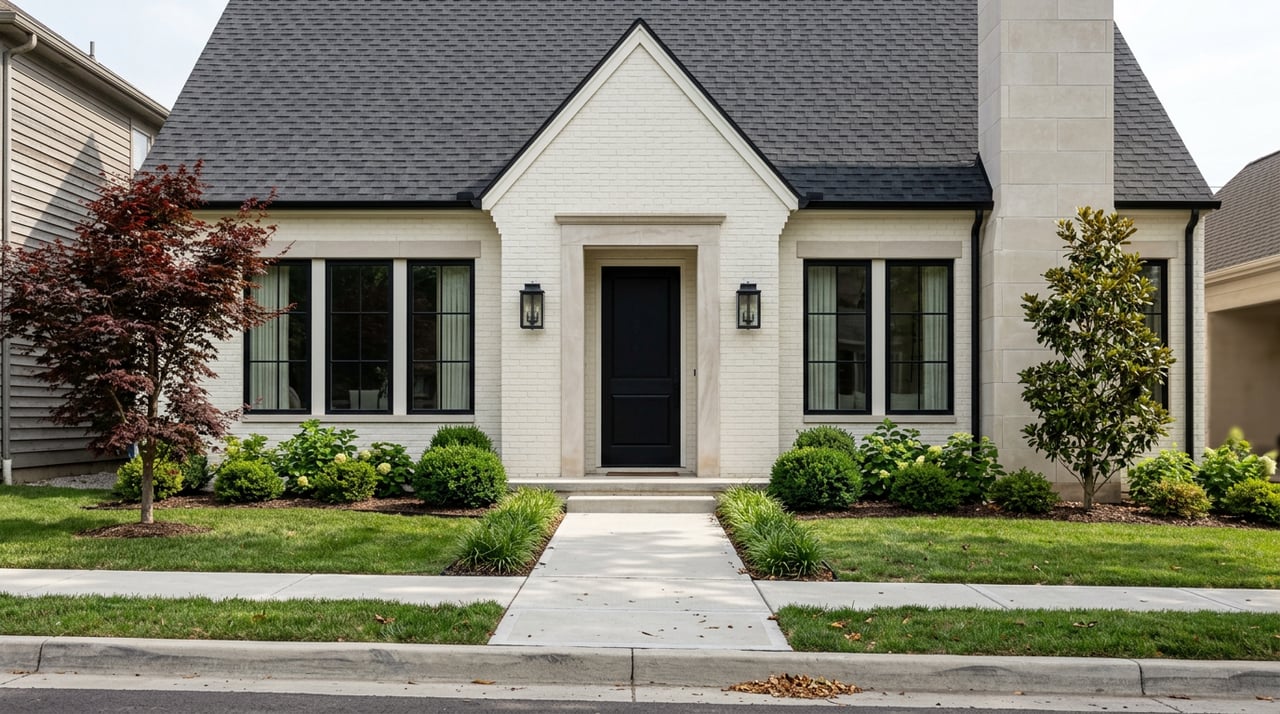
If you love living close to downtown Durham but want the comfort, efficiency, and clean lines of a new build, you are not alone. Many buyers weigh historic charm against the ease of modern construction, especially on tree‑lined streets near parks and favorite coffee spots. In this guide, you will learn what counts as infill in central Durham, where design‑forward projects tend to cluster, how approvals and permits work, and the trade‑offs to keep in mind. Let’s dive in.
What counts as infill in central Durham
“Infill” means building on vacant, under‑used, or previously developed lots inside Durham’s urban areas. In practical terms, that includes small‑lot single‑family homes, lot splits, accessory dwelling units, duplexes, townhomes, and small multifamily near downtown. Durham’s Unified Development Ordinance lays out specific rules for small‑site residential infill, including context‑based standards that shape width, massing, and street presence. You can see those standards in the city’s UDO section on infill. Review the UDO infill standards.
Durham’s Expanding Housing Choices policy, which took effect in 2019, also opened the door to more small‑scale options in many Urban Tier residential zones. That means duplexes, ADUs with size limits, and certain small‑lot choices are more feasible by right. City planners track permits tied to these changes and report outcomes to local leaders. To understand the policy and its measured results, see the city’s Expanding Housing Choices page and the final metrics report dated December 6, 2023. Explore Expanding Housing Choices. Read the EHC metrics report.
Where design‑forward infill tends to cluster
Near Durham Central Park and downtown
If you want walkable access to the farmers’ market, food halls, and local studios, look near Durham Central Park and the corridors that radiate from downtown. You will find a mix of townhomes, contemporary single‑family infill, and some mid‑rise buildings. One example is Foster on the Park, a mixed‑use project placed directly beside Durham Central Park. It shows how higher‑density infill can frame public green space while delivering modern design. See Foster on the Park.
Historic neighborhoods with compatible infill
Trinity Park, Duke Park, Old North Durham, and Cleveland‑Holloway showcase a blend of historic houses and carefully scaled new builds. In these blocks, you will often see architect‑led projects that respect neighborhood setbacks and rhythm while offering modern interiors. Prices in these central neighborhoods are often higher than the citywide average, which reflects strong demand for in‑town living and for turnkey homes. If you are comparing options, plan for the location premium that comes with walkability, mature streetscapes, and proximity to downtown amenities.
Townhome and duplex corridors
Several in‑town corridors support clusters of new townhomes or duplexes on formerly single‑family lots. These projects are designed to fit local context rules on width and massing while offering energy‑efficient construction and low‑maintenance exteriors. If you want modern finishes, a smart layout, and less yard to maintain, these can be a good match.
Adaptive reuse near industrial landmarks
Durham has a strong history of blending rehabilitation with new construction. Near the American Tobacco Campus and other historic industrial sites, developers have paired adaptive reuse with complementary infill to add homes and amenities. This approach retains local character while meeting current housing needs. For a broader look at how industrial rehabilitation and infill work together, see this case study on American Tobacco. Read the rehabilitation case study.
How the process works in Durham
Every site is different, yet most infill paths follow the same steps. Use this as a simple roadmap.
Step 1: Confirm zoning and overlays
Start with a zoning check. Verify whether the lot sits in the Urban Tier and whether any local overlays apply, such as a Neighborhood Protection Overlay or a local historic district. Durham’s UDO includes an infill section that governs small residential sites and sets context‑based limits on width and massing. Check UDO infill standards.
Step 2: Complete site and tree due diligence
Before you design, confirm survey boundaries, utilities, and topography. Durham requires compliance with tree protection and coverage standards, which can shape building footprints and drive landscape planning. You will often need a specimen‑tree survey and to map tree protection zones. The city’s Landscape Manual explains required plantings and how to handle preservation or replacement. See Tree Protection rules. Review the Landscape Manual.
Step 3: Address design and historic‑district review
If the property is inside a local historic district, visible exterior changes or demolition can require a Certificate of Appropriateness. Minor COAs may be handled by staff. Major cases are typically scheduled about five weeks in advance after a complete application. Plan for documentation, material samples, and possible design adjustments. Understand COA instructions.
Step 4: Secure permits and build
Once plans are aligned with zoning and any overlay requirements, you will apply for building permits. Durham’s inspections and planning teams coordinate reviews, and you will use the city’s online systems to submit, schedule inspections, and track progress. Leave room for review cycles, stormwater checks where needed, and any frontage or utility conditions. For current permitting and inspection guidance, watch the city’s building and safety updates. See Durham permitting and inspections updates.
Your quick pre‑offer checklist
- Confirm base zoning and whether a historic district or neighborhood overlay applies.
- Order a boundary and topographic survey early.
- Map specimen trees and potential tree protection zones.
- Align concept designs with UDO infill context rules on width and massing.
- If in a historic district, discuss COA needs and timelines with your architect.
- Budget for stormwater, utility, and frontage conditions where applicable.
- Plan for permit review time and inspection scheduling.
What Expanding Housing Choices changed
Durham’s Expanding Housing Choices policy made several small‑scale housing types more feasible by right in many Urban Tier residential zones. Duplexes, ADUs with defined size limits, and some small‑lot options now fit more easily inside the code, which has encouraged a steady flow of permits. City staff publish metrics that show uptake since the 2019 adoption. This helps residents and investors understand how the policy works in real life. Learn about EHC. See the EHC metrics findings.
Buyer trade‑offs to weigh upfront
Benefits of new infill
- Modern layouts, new systems, and energy performance can lower near‑term maintenance. Many buyers prefer move‑in‑ready homes and newer mechanicals.
- Floor plans tend to reflect current lifestyles, with open main levels, flexible office space, and integrated tech.
- Central locations close to parks, retail, and employment centers support quality of life and, for many owners, long‑term demand. National reporting also notes that new construction has played a larger role in inventory when resale options are tight. See national new‑construction context.
Considerations and constraints
- Price per square foot can run higher in strong central neighborhoods, especially for design‑forward new builds on small lots. Expect a location and convenience premium.
- Yards are often smaller, and mature tree canopy can change during construction. Durham’s tree protection and coverage rules shape what can be removed or must be replaced, which affects the final landscape. Read Tree Protection standards.
- Appraisals can be nuanced. New modern homes on older blocks sometimes outpace nearby comparable sales. If you use financing, discuss appraisal strategies and contingencies early.
- Design review adds time where historic districts or public processes apply. City reporting also notes that the overall rate of teardowns in the Urban Tier did not increase after EHC, which provides helpful context for neighbors who value sensitive infill. Review the EHC metrics report.
Tips for investor buyers
- Demand and rents: Well‑located, modern units near downtown amenities tend to draw strong interest. National data shows an elevated share of new construction in recent years, reflecting buyer shifts when resale stock is limited. View national new‑construction insights.
- Policy and community: Small infill projects are sensitive to zoning updates, affordability goals, and neighborhood expectations. In Durham, monitoring the Expanding Housing Choices program and related planning work helps you price risk and timeline. Track EHC policy updates.
- Design and durability: Buyers and tenants notice thoughtful layouts, natural light, and storage. Durable finishes and energy‑efficient systems can reduce turnover costs and appeal to long‑term residents.
Quick decision framework for buyers
Use this short list when you compare a historic home to a new infill option:
- Location and daily rhythm: Which home best fits your commute, park time, and favorite spots?
- Layout and light: Does the floor plan support how you work and relax at home?
- Systems and maintenance: Are you comfortable with near‑term updates, or do you want new mechanicals and insulation now?
- Landscape and trees: How important are a large yard and mature canopy versus a low‑maintenance lot?
- Appraisal and financing: Will nearby comps support your target price, or do you need a plan for a potential appraisal gap?
- Timeline: Are you ready for a builder’s schedule, or do you prefer a move‑in date within a few weeks?
Ready to explore central Durham infill?
If you want modern comfort inside Durham’s most walkable neighborhoods, design‑forward infill can be a great fit. You can weigh zoning, trees, and timelines with steady guidance, then choose a home that honors neighborhood character while delivering the ease you want. For block‑level insight and curated options, connect with Tim Hock. We will walk you through the process, from due diligence to closing, with calm, concierge care.
FAQs
What is considered infill in central Durham?
- Infill is new construction on vacant, under‑used, or previously developed lots inside the city’s urban areas, including small‑lot single‑family, ADUs, duplexes, townhomes, and small multifamily regulated by the UDO.
Where are new infill homes most common near downtown?
- You will find them around Durham Central Park, along key in‑town corridors, and within historic neighborhoods where compatible small‑lot projects are allowed.
How do Durham’s infill rules affect home design?
- The UDO’s context‑based standards limit building width and guide massing, so new homes fit the immediate block and street pattern.
Do I need special approvals in a historic district?
- If your project is in a local historic district, visible exterior work or demolition can require a Certificate of Appropriateness, with major cases typically scheduled about five weeks out after a complete application.
What trade‑offs come with new infill builds?
- Expect modern systems, warranties, and lower maintenance, balanced against smaller yards, possible changes to mature trees, and higher price per square foot in strong in‑town neighborhoods.
