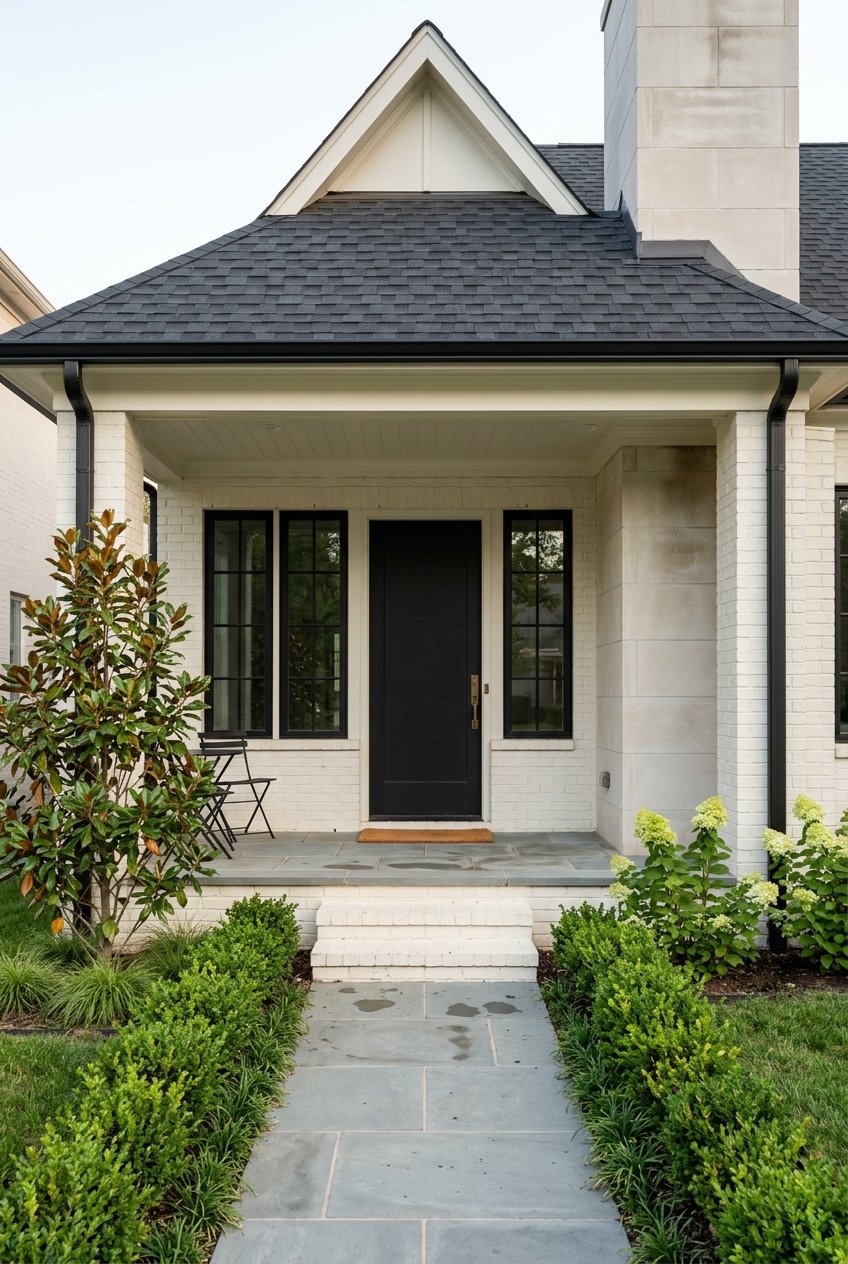
If you picture outdoor living in Durham as a giant backyard, you may miss what makes many in-town homes feel so livable. In central Durham, the real appeal often comes from layers: a front porch that connects you to the street, a private patio or screened space out back, and a small park or shaded trail nearby. If you are buying or selling in Durham, understanding that pattern can help you spot the features that matter most. Let’s dive in.
Outdoor Living in Durham
Central Durham has a distinct outdoor-living rhythm. The city’s planning documents describe mixed residential neighborhoods with buildings close to the street, short blocks, porches, and stoops, while downtown is intended to include small pocket parks, landscaped plazas, and shade trees.
That means outdoor enjoyment here is not only about lot size. It is often about how your home relates to the sidewalk, the block, and the nearby green spaces you can actually use day to day.
For many buyers, that is an important mindset shift. A smaller lot can still feel rich in outdoor living when the porch works well, the rear outdoor area feels private, and the neighborhood offers nearby park access and tree canopy.
Why Porches Matter in Durham
In Durham, a front porch is more than a decorative detail. Local planning and neighborhood overlay rules treat porches, stoops, and front-façade porch articulation as part of neighborhood character, especially in established in-town areas.
That makes a usable porch a real lifestyle feature. It can give you a comfortable place to sit, help the home feel connected to the street, and support the kind of neighborhood texture Durham’s planning framework is designed to preserve.
This is especially relevant in places like Old West Durham, where preserving green space and tree canopy is a stated goal, and front-facing architectural details are part of the neighborhood pattern. For buyers, that means charm and function often go together.
Why Patios and Rear Spaces Count
Durham’s development rules help explain why many in-town homes pair a front porch with a more private outdoor area in back. Covered or screened porches are treated as accessory structures, and in most residential settings accessory structures are generally located to the rear of the front building line. On parcels under two acres, they are not allowed in the street yard.
In practical terms, that often creates a familiar Durham setup: public-facing porch in front, quieter patio or screened porch behind the house. It is a layout that works well for both daily routines and entertaining.
If you are comparing homes, pay attention to how the rear outdoor space actually functions. A modest patio with privacy, shade, and easy access from the kitchen or living area may serve you better than a larger but less usable yard.
Trees and Shade Shape Daily Life
Shade matters in Durham, and not only for comfort. The city’s urban forest program highlights the environmental and everyday benefits of tree canopy, and Durham is adding 8,500 new street trees from fall 2025 through spring 2028 as part of a broader goal to reach 55% canopy coverage by 2040.
For homeowners, mature trees can change the feel of a property and the walkability of a block. A shaded porch, a cooler patio, and a tree-lined street often make outdoor spaces feel more inviting for longer stretches of the year.
That is one reason a smaller, well-defined yard can still feel special here. In many Durham neighborhoods, the canopy overhead is part of the outdoor room.
What Buyers Should Prioritize
When you shop for an in-town Durham home, it helps to look beyond square footage and ask how outdoor living really works. The best setup is often one that feels connected, comfortable, and easy to use.
Here are a few features worth prioritizing:
- Covered or screened front porches
- Rear patios or screened porches
- Small but clearly defined yard space
- Mature shade trees
- A layout that connects well to the sidewalk and neighborhood
- Easy access to a nearby park or trail
In Durham, those details often matter more to daily livability than raw lot size. A home does not need a huge yard to offer a strong outdoor lifestyle.
Pocket Parks Add Everyday Value
Public green space is a meaningful part of the Durham experience. Durham Parks and Recreation manages 66 parks, more than 1,600 acres of parkland, and 29 miles of paved trails.
In the urban core, the city’s open-space planning places a strong emphasis on smaller neighborhood parks. These parks are generally five acres or smaller, serve nearby residents within about a half-mile, and may include pathways, benches, picnic tables, playgrounds, turf areas, or courts.
For many people, that is the true pocket-park lifestyle. It is less about destination recreation and more about having a comfortable outdoor place close to home.
Examples in Central Durham
Several central Durham parks reflect that smaller-scale pattern. Burch Avenue Park is described as a fenced park with a tree-shaded playground, Oakwood Park is 1.2 acres, and Old North Durham Park spans 3.58 acres with greenway and trail access.
Other compact public spaces add to the mix. Trinity Park offers a small neighborhood park setting, and Carroll Street Park includes a basketball court, fitness equipment, and picnic tables.
Downtown Durham also includes compact outdoor options. Planning documents call for small pocket parks, landscaped plazas, and trees dispersed throughout downtown to provide shade and relief from surrounding buildings.
Trails and City Investment Matter Too
If you want a home that feels connected to outdoor amenities, trails are part of the story. The city’s capital plan highlights the Durham Rail Trail, a 1.78-mile linear downtown park designed with neighborhood connections, trailheads, crossings, stormwater treatment, art components, and other amenities.
Durham is also continuing to invest in public outdoor space more broadly. The city’s capital plan notes $85 million in parks and recreation bond funding, including upgrades to East End and Long Meadow parks and a new aquatic center at Merrick-Moore Park.
That ongoing investment matters because it supports the long-term value of living near well-used public spaces. For buyers, it can reinforce the appeal of homes where outdoor living extends beyond the lot line.
Small Lots Can Still Live Well
One of the most helpful things to understand about Durham is that outdoor living here often works as a system. Your porch, patio, sidewalk, tree canopy, nearby park, and trail access all play a role.
That is why a small lot can still feel highly functional. If the front porch is inviting, the rear space is usable, and the block offers easy access to shade or open space, the home may live much larger than the survey suggests.
For sellers, this is also a useful framing tool. When you present an in-town property, the story is often not just the yard. It is the full lifestyle created by the home’s outdoor layers and the surrounding neighborhood fabric.
Historic District Rules to Know
If you are thinking about adding or changing outdoor features, local review rules may matter. In Durham, properties in a local historic district or designated landmark require a Certificate of Appropriateness before exterior work begins.
The city’s Small Project Review process specifically includes renovations, additions, decks, porches, and non-dwelling accessory structures. So if you are buying a home with plans to add a deck, enclose a porch, or build a detached outdoor feature, it is smart to confirm what review may be required.
That does not mean improvements are off the table. It simply means you should understand the process before making assumptions about future changes.
How to Read a Durham Listing
When you look at homes in central Durham, try reading the outdoor space as carefully as you read the floor plan. Ask yourself a few simple questions as you compare options.
- Is the front porch large enough to actually use?
- Does the rear outdoor area feel private and functional?
- Are there mature trees or planned shade nearby?
- How easy is it to walk to a neighborhood park or trail?
- If changes are needed, are there local review rules to consider?
Those questions can help you evaluate a home in a way that fits how Durham really lives. They also help you separate a home with genuine outdoor potential from one that only photographs well.
If you are looking for an in-town Durham home, or preparing to sell one, it helps to work with someone who understands how buyers experience these details block by block. At Tim Hock, outdoor living is part of the larger story of neighborhood character, design, and daily life.
FAQs
What makes outdoor living in Durham different from a typical large-yard search?
- In central Durham, outdoor living often comes from a combination of front porches, rear patios or screened spaces, tree canopy, and nearby small parks or trails rather than from a very large lot.
What outdoor features should Durham buyers prioritize first?
- Focus on porch usability, a private rear outdoor area, mature shade trees, and proximity to a neighborhood park or trail.
What are pocket parks like in Durham?
- Durham’s smaller neighborhood parks are generally five acres or less and may include benches, pathways, picnic tables, playgrounds, turf areas, or sports courts for nearby residents.
What should Durham homeowners know before adding a porch or deck?
- If a property is in a local historic district or designated landmark area, exterior changes may require a Certificate of Appropriateness, and small project review can include decks, porches, and accessory structures.
Do small lots still work for outdoor living in central Durham?
- Yes. In many in-town neighborhoods, a smaller lot can still live well when the home has a useful porch or patio, good shade, and convenient access to nearby parks or trails.
