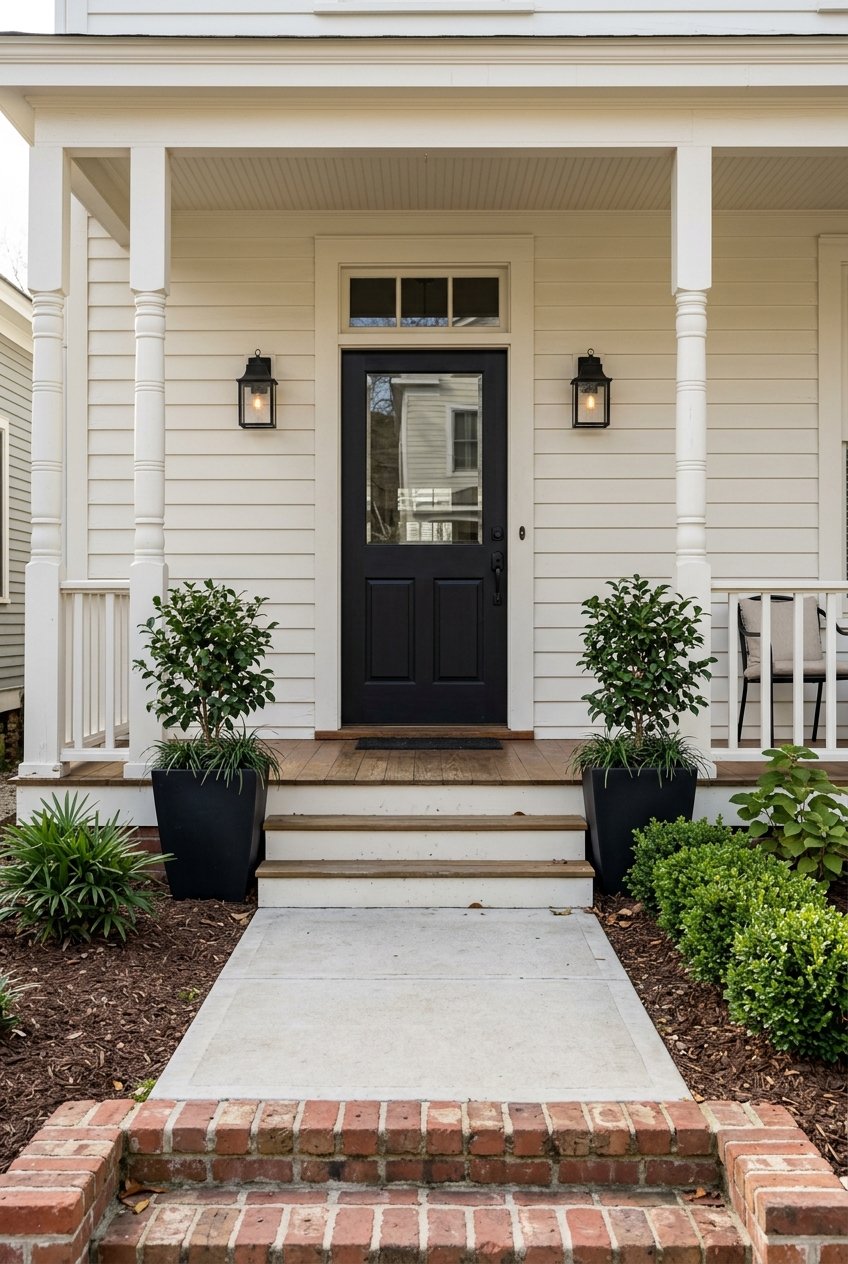
Thinking about selling a historic home in Durham? You do not need to erase its age to appeal to today’s buyers. In fact, the homes that stand out most often do the opposite: they present original character clearly, show thoughtful care, and make modern living feel easy to imagine. If you want to prepare your home without losing what makes it special, this guide will walk you through the updates, staging choices, and documentation that matter most. Let’s dive in.
Start With Historic Status
Before you paint, repair, or replace anything on the exterior, confirm whether your property is locally designated. The City of Durham’s Historic Preservation program explains that local historic district properties and local landmarks may need a Certificate of Appropriateness before exterior or site work begins.
That step matters because the review rules are tied to designation status. If your home is in or near areas such as Downtown Durham, Morehead Hill, Trinity Heights, or Watts-Hillandale, it is worth checking first so you can plan smart updates and avoid delays.
Focus on Repair Over Replacement
For many historic homes, the most effective pre-listing work is also the most restrained. Guidance from the National Park Service on historic windows consistently favors repair over replacement when original materials are significant and still repairable.
That approach fits what many buyers want in Durham. They are often drawn to original wood windows, trim, doors, floors, mantels, and porch details, but they also want to feel that the home has been cared for. A repaired feature often tells that story better than a brand-new substitute.
Prioritize Small Visible Fixes
If you are deciding where to spend money before listing, start with the details buyers notice right away:
- Touch-up paint where surfaces look tired
- Repair loose or damaged trim
- Reglaze or caulk where needed
- Clean and refresh original hardware when possible
- Repair wood elements instead of replacing them with mismatched materials
- Make sure porches, steps, railings, and entry details feel solid and intentional
Durham’s Historic Preservation Commission rules note that routine maintenance like minor window repairs, caulking, reglazing, and matching repairs to doors, siding, trim, gutters, flooring, steps, fences, and walls generally does not require a COA, as long as size, style, and materials are not altered. That creates a practical lane for sellers who want a cleaner presentation while respecting the home’s historic profile.
Be Careful With Window Decisions
Windows deserve extra thought because they are so visible. According to the National Park Service guidance for evaluating historic windows, repair is the preferred first step, and common performance issues can often be improved with storm windows, weatherstripping, or similar low-impact solutions.
If replacement is truly necessary, the goal should be a close match in design, color, texture, and, where possible, materials. For a Durham seller, that usually means slowing down before making a quick pre-listing swap that could weaken the home’s curb appeal or trigger additional review.
Make Character Easy to Read
Historic homes often lose buyer attention when rooms feel crowded, dim, or visually confusing. In Durham’s somewhat competitive market, where Redfin reported a median sale price of $399,000, 75 median days on market, and a 97.7% sale-to-list ratio in February 2026, presentation matters because buyers need to understand the value quickly.
Your goal is not to make the home feel generic. Your goal is to help buyers instantly see what is original, what has been updated, and how the rooms live today.
Stage to Reveal the Architecture
The strongest staging for a historic Durham home usually highlights the structure itself. Based on the National Association of Realtors 2025 staging report, staging can help buyers picture the property as their future home, and many agents report both stronger offers and less time on market.
For a character home, that does not mean filling every corner. It usually means editing the space so fireplaces, moldings, staircases, built-ins, tall windows, and wood floors can do their work.
A few staging priorities can make a big difference:
- Use fewer, better-proportioned pieces
- Keep sightlines open to architectural features
- Let natural light reach the center of the room
- Remove decor that competes with original details
- Define each room with a clear purpose
NAR found that buyers’ agents considered the living room, primary bedroom, and kitchen the most important rooms to stage. If your budget is limited, start there.
Refresh Curb Appeal Thoughtfully
With older homes, curb appeal is not just about plants and mulch. It is about the home’s setting and how the front approach frames the architecture. The National Park Service glossary for historic properties describes setting as the physical environment of a historic property, including elements like vegetation, paths, fences, walls, open space, and the relationship between buildings and landscape.
That supports a simple but effective pre-sale plan. Instead of redesigning the yard, focus on clarifying what is already there and making the entry feel welcoming.
Curb Appeal Moves That Respect the Home
Consider simple improvements such as:
- Pruning overgrowth that hides the porch or facade
- Refreshing planting beds
- Clearing walkways and entry paths
- Repairing or cleaning fences, gates, and front steps
- Improving sightlines from the street to the front door
- Keeping lawns and foundation plantings tidy
These updates help the home look cared for without changing the historic setting buyers came to see.
Build Buyer Confidence With Documentation
Historic homes often raise more questions than newer homes. That is not a problem if you are ready with clear answers. A well-organized paper trail can reassure buyers that your home has been maintained with care and that past work was handled thoughtfully.
The National Park Service overview of preservation documentation notes that documentation helps consolidate information about significance, integrity, condition, and character-defining features. For sellers, that translates into a practical pre-market packet that makes the house easier to understand.
What to Include in a Pre-Market Packet
Gather these materials before listing if you have them:
- Permits
- Certificates of Appropriateness
- Invoices for completed work
- Dates of major repairs or updates
- Warranties
- Maintenance logs
- Before-and-after photos
- Notes on original features versus later-added materials
This kind of packet can help buyers see what has been preserved, what has been improved, and what may need future review. It can also make your listing feel more transparent and better cared for from the start.
Know What You Do Not Need to Do
One of the biggest mistakes sellers make is assuming they need a full restoration before listing. In most cases, you do not need to recreate every missing historic detail or take on a major project with a long timeline.
A better strategy is to preserve what is visible and meaningful, repair what distracts, and present the home in a way that feels clean, coherent, and livable. The preservation logic in the National Park Service guidance supports retaining and repairing character-defining features where feasible, not chasing perfection for its own sake.
That mindset often leads to better decisions. You spend money where buyers can feel the value, while keeping the home’s story intact.
Why Presentation Matters in Durham
Durham buyers looking at historic homes are often comparing more than finishes. They are responding to block-by-block setting, architectural detail, natural light, porches, mature landscaping, and the feeling a home creates the moment they walk in.
That is why preparation should feel curated, not overdone. When your home’s original materials are clean and readable, the staging is restrained, and the documentation is ready, buyers can appreciate both the character and the practicality. That combination is often what makes an older home feel current.
If you are preparing a historic Durham home for sale, the right plan can protect its character while helping today’s buyers connect with it quickly. For thoughtful guidance on pricing, presentation, and next steps, connect with Tim Hock.
FAQs
Do historic homes in Durham always need a Certificate of Appropriateness before listing?
- No. According to the City of Durham, COA review applies to exterior or site changes for local historic district properties and local landmarks, so the first step is confirming whether your property is locally designated.
Should you replace old windows before selling a historic Durham home?
- Not automatically. National Park Service guidance says repair is the preferred first step when historic windows are significant and repairable, and low-impact improvements may solve common performance issues.
What pre-listing work usually helps a historic Durham home most?
- Small visible repairs, touch-up paint, careful maintenance, decluttering, and staging that highlights original features usually offer the clearest value without changing the home’s historic character.
What documents should you gather before listing a historic home in Durham?
- The most useful records include permits, Certificates of Appropriateness, invoices, warranties, maintenance logs, major work dates, and photos that show improvements and original features.
Do you need to fully restore every historic detail before selling a Durham house?
- Usually no. A stronger approach is to retain and repair important visible features where feasible, improve presentation, and help buyers understand the home’s condition and character clearly.
