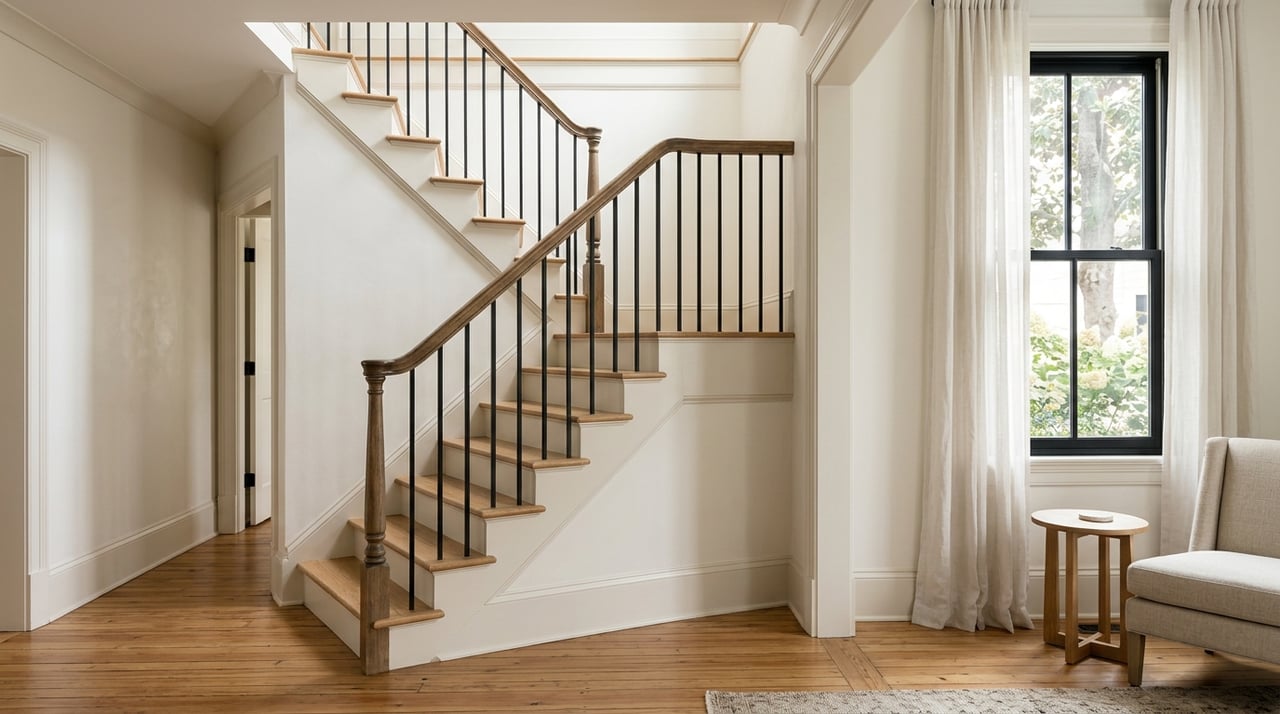
Wondering how to price a charming older home in Durham without leaving money on the table or pricing it so high that buyers move on? That tension is real, especially in Durham’s in-town neighborhoods, where porches, millwork, mature landscaping, and thoughtful renovations can make a home feel truly special. In this market, the right price comes from more than charm alone. It comes from local evidence, buyer behavior, and a clear read on how your home fits today’s competition. Let’s dive in.
Durham market conditions still matter
Even for a one-of-a-kind home, you are still selling into the broader Durham market. Recent market data shows a median sale price of $424,746 for the three months ending May 2026, with homes selling in about 31 days and averaging about two offers per home. Another local market measure shows an average home value of $400,039, homes going pending in around 14 days, a median sale-to-list ratio of 0.989, and 23.7% of sales closing above list price in April 2026.
What does that mean for you? Durham is active enough that a well-priced home can still move quickly, but not so overheated that buyers ignore an ambitious list price. If your home enters the market too high, you can lose time, momentum, and negotiating strength.
Character does not replace comps
A beautiful in-town home can absolutely stand out, but pricing still starts with comparable sales. The sales comparison approach looks at similar recent closed sales, contract sales, and active listings, with the strongest evidence usually coming from the same market area. In practice, that means your pricing should be anchored in nearby homes that share as many traits as possible with yours.
For a character home, that process is often harder than it sounds. The comp pool may be thinner in older Durham neighborhoods, especially if your home has unusual architecture, a major renovation, or a lot and setting that are hard to match. Even then, the goal is not to abandon the data. It is to use the best available sales and make careful, market-supported adjustments.
What buyers actually pay for
The most important pricing question is simple: what are buyers in your part of Durham willing to pay more for right now? That is where many sellers get tripped up. Features can be meaningful without always translating into a higher price.
Original details, restored windows, a gracious porch, or custom renovation work may add real appeal. But value is based on the market’s reaction, not just your investment or your attachment to the home. If nearby buyers consistently pay more for those features, they can support a higher price. If not, they may enhance the story of the home without creating a full price premium.
Renovation cost is not market value
This is one of the biggest pricing mistakes with character homes. It is easy to think that because you spent a certain amount on improvements, the market will return that amount to you. Durham County’s tax office makes clear that property value is based on actual market sales activity, not what an owner paid or invested in upgrades.
That distinction matters. A kitchen renovation, roof replacement, updated systems, or restored exterior details can absolutely strengthen your market position. But they do not raise value dollar for dollar unless buyers in your submarket are clearly paying more for those upgrades.
Condition still shapes pricing power
Condition matters a great deal in Durham’s in-town market. Buyers often compare not just size and location, but also how much work a home seems to need after closing. A well-prepared home with updated systems, cohesive finishes, and a polished presentation may attract stronger interest than a similarly sized home that feels unfinished or uncertain.
That does not mean every old home must feel brand new. In fact, many buyers are drawn to original texture and lived-in character. The key is that your asking price should reflect how buyers are likely to weigh charm against future maintenance, repairs, or renovation needs.
Historic district status can affect price
If your home is in one of Durham’s local historic districts, that can shape buyer perception and pricing strategy. Durham has eight designated local historic districts: Cleveland Street, Downtown Durham, Fayetteville Street, Golden Belt, Holloway Street, Morehead Hill, Trinity Heights, and Watts-Hillandale. In these districts, certain exterior changes require a Certificate of Appropriateness before work begins or permits are approved.
For buyers, that may be a positive, a neutral factor, or a point of hesitation. Some buyers value the predictability and preservation of neighborhood character. Others may focus on the review process for future exterior changes. Either way, it becomes part of the pricing conversation because you are not just selling finishes and square footage. You are also selling the ownership experience.
Local and National Register status are different
This distinction is important in Durham. National Register listing is recognition and may provide access to rehabilitation tax credits, but by itself it does not restrict private property use, treatment, transfer, or disposition. Local designation is what triggers the review process.
If your home is in an area with historic recognition, make sure you understand which status applies. Buyers and sellers often assume they are the same thing, but they are not, and that misunderstanding can affect pricing expectations.
Assessed value is context, not your list price
Many sellers look at the county assessment and wonder whether that should guide pricing. It can be useful background, but it should not be your listing strategy. Durham County assesses real property at 100% market value for its most recent general reappraisal, which is effective January 1, 2025, but that does not mean your eventual sale price should match that figure.
The county itself notes that assessed value reflects market conditions as of the reappraisal date, and the market may have shifted since then. It also notes that permits, additions, demolition, or a transfer can trigger review outside the reappraisal year. If your home has changes that are not fully reflected in public records, that can create gaps between what you believe the home is worth and what the record suggests.
A practical pricing framework for Durham sellers
If you are preparing to sell a character home in Durham’s in-town market, a clear pricing sequence can keep emotion from overpowering evidence.
1. Confirm the property details
Start by confirming the basics that can affect value and buyer interest. That includes lot characteristics, square footage, renovation scope, and whether the home falls within a local historic district or landmark area. If exterior work may require review, that should be understood early, not discovered mid-listing.
2. Build the comp set carefully
Begin with the closest recent closed sales from the same market area. Focus on homes with similar architecture, condition, lot appeal, and renovation quality. If your home is distinctive, accept that no comp may be perfect and that thoughtful adjustments will matter.
3. Adjust for market reaction
Adjustments should reflect what buyers have actually paid for, not a theoretical wish list. Condition, site, amenities, renovation quality, and timing all matter. The stronger the evidence from recent local sales, the more confidence you can have in your pricing range.
4. Test the number against the market
Once you have a likely range, compare it to current competition and think ahead to appraisal review. A list price should attract buyers, support negotiation, and still make sense if a financed buyer’s lender orders an appraisal. That balance is especially important when the comp set is thin.
5. Bring in professional valuation when needed
Some homes deserve extra pricing rigor. If your property is architecturally distinctive, heavily renovated, in a local historic district, or simply hard to match with recent sold homes, a strong broker price opinion or formal appraisal can be especially useful. In these cases, precision is not a luxury. It is part of protecting your outcome.
The real goal: evidence-backed storytelling
The best pricing strategy for a character home is not about flattening its personality. It is about pairing a compelling story with disciplined local evidence. Buyers may fall in love with the light through old windows, the depth of a front porch, or the way a renovation respects the home’s original lines, but they still make decisions in the context of the market.
That is why pricing works best when it balances charm with proof. You want to highlight what makes your home memorable while staying anchored in what buyers in Durham’s in-town neighborhoods are actually rewarding today.
If you are thinking about selling a character home in Durham, Tim Hock brings a hands-on, neighborhood-first approach to valuation, presentation, and marketing that helps distinctive homes meet the market with clarity and confidence.
FAQs
How should you price a character home in Durham?
- Start with recent comparable sales in the same market area, then adjust for condition, renovation quality, lot, amenities, and buyer demand for the features that make your home distinctive.
Does renovation spending raise your Durham home value dollar for dollar?
- No. Durham County values property based on market sales activity, and pricing works best when upgrades are tied to what buyers are actually paying for in your submarket.
Do local historic districts affect pricing in Durham?
- Yes. Local historic district status can influence how buyers view future exterior changes because certain work may require a Certificate of Appropriateness.
Is Durham County assessed value the right list price?
- Usually not. Assessed value is useful context, but it reflects the county’s valuation process and date, not necessarily current market conditions when you list.
When should you get extra valuation help for a Durham character home?
- Extra valuation support is especially useful when your home is architecturally distinctive, has major renovations, sits in a local historic district, or has very few strong recent comps.
