If you want a lifestyle where coffee, dinner, green space, and a night out can all fit into one easy routine, downtown Durham deserves a close look. The appeal is not just being near the city center. It is finding the right in-town pocket that matches how you actually want to live. This guide will help you compare walkable Durham lifestyles near downtown, from loft-style living in the urban core to historic homes on quieter residential streets. Let’s dive in.
Why walkability stands out in Durham
Downtown Durham packs a lot into a small footprint. Downtown Durham Inc describes the core as less than one square mile, with restaurants, shops, galleries, services, and entertainment woven closely together. For many buyers and renters, that density is what makes daily life feel simpler and more connected.
The numbers support that lifestyle story. Walk Score gives ZIP code 27701 a score of 82, labeling it “very walkable,” which is far above Durham’s citywide average of 30. If you are hoping to rely less on your car for everyday errands and outings, that is a meaningful difference.
Walkability here also comes with practical support. The City of Durham maintains downtown parking maps, parking apps, and bike parking information, which helps if you want the flexibility of a car without needing it for every trip. In other words, living near downtown does not mean giving up convenience.
What daily life near downtown looks like
A walkable lifestyle works best when there are real destinations within easy reach. In Durham, several anchors shape that rhythm. Durham Central Park hosts a year-round farmers' market along with concerts, movies, food truck rodeos, and public events that keep the area active across seasons.
The arts are another major part of the draw. DPAC and the Carolina Theatre give residents easy access to live performances and entertainment close to home. Add in the broad mix of coffee shops, restaurants, bars, boutiques, and services listed by Downtown Durham Inc, and the area offers a routine that can feel both lively and manageable.
That is why the conversation is not really downtown versus everywhere else. It is about choosing between a handful of distinct in-town neighborhoods, each with its own pace, housing mix, and streetscape.
Downtown Durham for urban living
If you want the most direct access to downtown amenities, Downtown Durham proper is the clearest fit. This is where lofts, apartments, condos, and mixed-use buildings define the housing stock, often with restaurants, retail, and entertainment just steps away. It is the most urban option in Durham’s walkable core.
Downtown Durham Inc describes downtown living as centered on lofts, apartments, and condos near daily conveniences. That makes it a natural match if you value an easy lock-and-leave setup or want lower-maintenance living close to the action. It can also appeal if you want to be able to walk to coffee in the morning and a show at night without much planning.
Current market snapshots place Downtown Durham at a median listing price of $781,950 and a median rent of $1,779, with 38 homes for sale and 534 rentals. Nearby subareas like Central Park, Warehouse, and American Tobacco also lean heavily toward amenity-rich, rental-heavy living rather than traditional single-family homes.
Who downtown fits best
Downtown is often the best fit if you are looking for:
- Condos, lofts, or apartments
- A true walk-to-dinner lifestyle
- Easy access to events and performance venues
- A more urban, mixed-use setting
- More rental options within the walkable core
Old North Durham for historic character
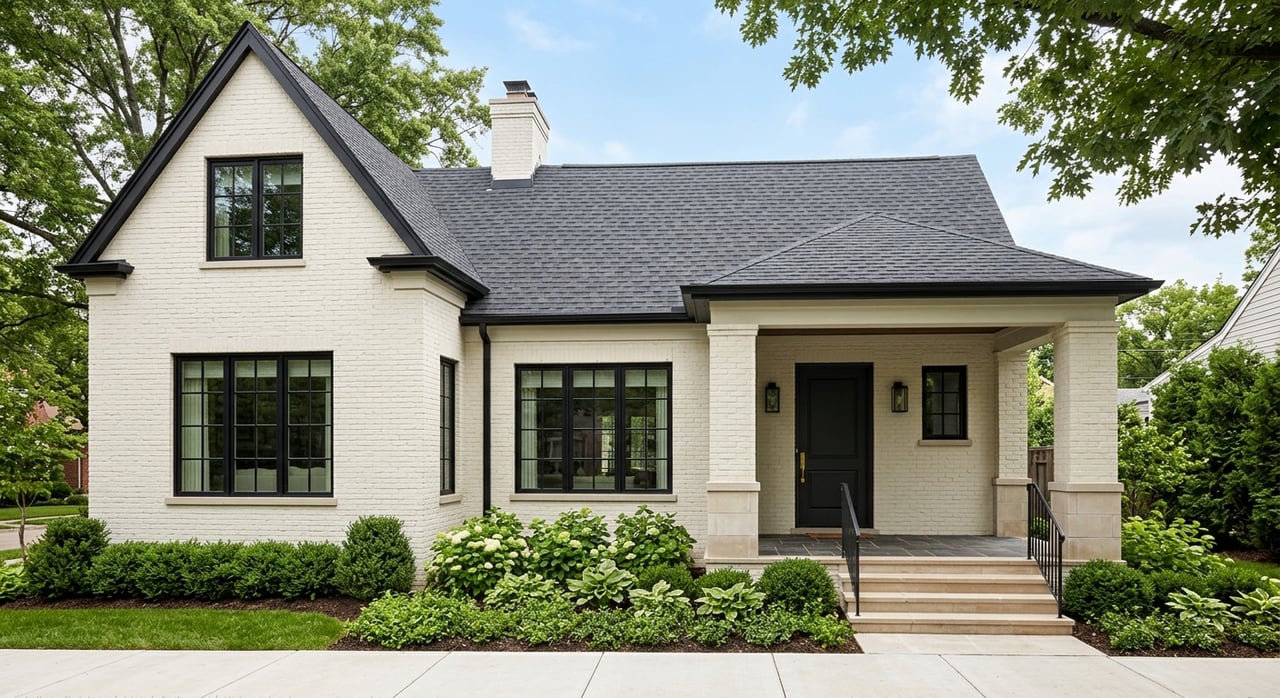
Old North Durham offers a different kind of walkable lifestyle. It is one of Durham’s oldest residential neighborhoods, and its housing includes colonial revival homes, bungalows, Tudor revival cottages, and some apartments. If downtown feels a little too vertical or fast-paced, this area offers a more residential setting while still benefiting from close access to the core.
Its appeal grew as downtown revived with restaurants, brewpubs, coffee houses, the farmers' market, and DPAC. That history matters because it explains why the neighborhood feels connected to downtown without feeling exactly like downtown. You get proximity and walkability, but with a stronger sense of established residential streets.
Current market data place Old North Durham at a median listing price of $625,000 and a median rent of $1,222. Nearby Old Five Points is currently around $699,000, making this broader area worth watching if you want an in-town setting with architectural detail and neighborhood texture.
Why buyers look here
Old North Durham can be a strong match if you want:
- Historic homes and bungalows
- A residential street pattern near downtown
- Character details over condo living
- A balance of neighborhood feel and urban access
Trinity Park and Ninth Street for short errands
Trinity Park sits between downtown and Duke University’s East Campus, giving it one of the clearest in-town positions for a walkable routine. The neighborhood association describes it as a 40-block district with tree-lined streets and historic homes and buildings. That creates a setting that feels established, residential, and close to daily destinations.
Just beside it, Ninth Street serves as a long-standing commercial corridor with restaurants and retail in an older mill-village setting. Together, Trinity Park and Ninth Street create one of Durham’s most practical short-errand lifestyles. You can picture a day here clearly: coffee, a casual meal, a few local stops, and a quick trip downtown.
Current market snapshots show Trinity Park at $670,000, Ninth Street at $565,000 with a median rent of $2,098, and nearby Watts-Hillandale at $557,400. For buyers who want walkability paired with a more residential backdrop, this part of Durham deserves serious attention.
What makes this pocket appealing
This area is especially worth considering if you want:
- Historic homes near a commercial corridor
- Walkable errands without living in the city center
- Access to restaurants and retail on Ninth Street
- A strong in-town location between major destinations
Morehead Hill for a quieter downtown edge
Morehead Hill sits just south of downtown and offers another version of in-town living. The neighborhood association describes it as one of Durham’s earliest residential districts, with single-family homes, multifamily rentals, and some large historic houses converted to businesses, apartments, and clinics. That mix gives the area a distinct character.
If you want to stay close to downtown’s entertainment and dining without living right in the middle of it, Morehead Hill can feel like a quieter alternative. It keeps the core nearby while offering a different streetscape and a more tucked-away feel.
Current market data show a median listing price of $1,037,500 and 15 days on market. That points to a higher-price, lower-inventory pocket, especially for buyers drawn to larger historic homes close to downtown.
Comparing home styles and price points
One of the biggest advantages of Durham’s in-town neighborhoods is variety. You are not choosing between only high-rise living and far-out suburban neighborhoods. You are choosing among several close-in areas that support walkability in different ways.
Here is a quick look at current median listing prices in key near-downtown pockets:
| Area | Median Listing Price |
|---|---|
| Downtown Durham | $781,950 |
| Trinity Park | $670,000 |
| Old North Durham | $625,000 |
| Ninth Street | $565,000 |
| Watts-Hillandale | $557,400 |
| Morehead Hill | $1,037,500 |
These numbers suggest a practical pattern. Neighborhoods with restored historic homes or especially prime blocks often move into a higher price tier, while condo-heavy and rental-heavy areas can create different entry points within the same walkable orbit.
How to choose the right walkable pocket
When you tour near-downtown Durham, it helps to think beyond the word “walkable.” Walkability can mean different things depending on your priorities. For one person, it means being able to walk to performances, cocktails, and dinner. For another, it means leafy streets, historic architecture, and the option to walk out for coffee or a weekend market.
A few questions can help narrow your search:
- Do you want a condo, apartment, or detached home?
- Is your ideal day centered on downtown venues or neighborhood streets?
- Would you rather be in the middle of activity or just close to it?
- Are architectural character and historic details important to you?
- Do you want a rental-friendly area or a more ownership-heavy feel?
The city’s Rail Trail Master Plan may also shape future convenience in the inner ring. Once completed, it is expected to connect Downtown Durham, Central Park, Trinity Park, Pearl Mill Village, Old North Durham, and Duke Park, strengthening practical walkability between these close-in areas.
The Durham lifestyle takeaway
The strongest case for living near downtown Durham is not just that it is walkable. It is that you can choose from several distinct neighborhoods, each offering its own blend of access, architecture, and daily rhythm. Downtown proper gives you the most urban setup. Old North Durham and Trinity Park offer residential streets and historic housing close to the core. Morehead Hill gives you a quieter south-of-downtown option with notable historic character.
If you are trying to find the right fit, the smartest next step is to compare blocks, home styles, and routines in person. In Durham, a few streets can change the feel of daily life in a big way. If you want help sorting through the options, Tim Hock offers thoughtful, neighborhood-first guidance for buyers and sellers who care about character, design, and in-town living.
FAQs
What does walkable living near downtown Durham usually mean?
- In Durham, walkable living near downtown usually means easier access to restaurants, coffee shops, entertainment, parks, and services within a compact area, especially in and around ZIP code 27701.
What types of homes are common in Downtown Durham?
- Downtown Durham is most closely associated with lofts, apartments, condos, and mixed-use buildings rather than a large supply of single-family homes.
Which Durham neighborhoods near downtown have more historic homes?
- Old North Durham, Trinity Park, and Morehead Hill are the clearest near-downtown options if you want historic homes, bungalows, or other character-rich residential properties.
What is the median listing price in Downtown Durham?
- Current market snapshots in the research report place Downtown Durham at a median listing price of $781,950.
Which area near downtown Durham feels quieter than downtown proper?
- Morehead Hill is a strong option if you want to stay close to downtown while living in a quieter, more historic residential pocket just south of the core.
How does Trinity Park compare with Downtown Durham for walkability?
- Trinity Park offers a walkable in-town lifestyle with tree-lined residential streets and easy access to the Ninth Street commercial corridor, while Downtown Durham offers a more urban, mixed-use environment right in the city center.
