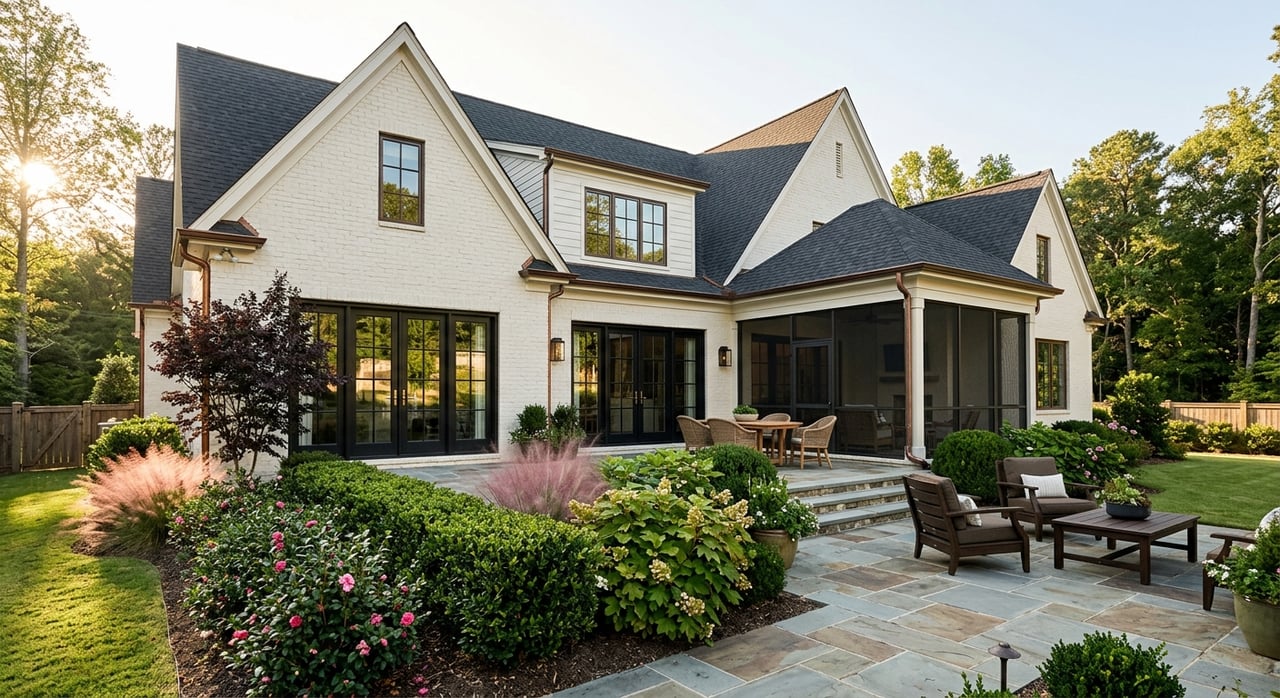
Wondering whether a single-family rental in Durham is a smart fit for your goals? You are not alone. In a city with steady renter demand, a large stock of older homes, and block-by-block differences that can change how a property lives and performs, the details matter. If you are weighing a purchase, a future rental plan, or a resale-minded hold, this guide will help you focus on what counts most in Durham. Let’s dive in.
Durham rental demand in context
Durham has a large and active housing market with both renters and owners playing a major role. The city had an estimated population of 305,561 as of July 1, 2025, and 126,550 households in the 2020-2024 American Community Survey period. The owner-occupied housing rate was 52.3%, which points to a fairly balanced split between owner-occupied and renter households.
That balance matters if you are considering a single-family rental. It suggests Durham is not just a homeowner city or just a renter city. Instead, you are looking at a market where many people want flexibility, and where rental homes can appeal to a wide range of households.
Current rent data also helps frame the opportunity. Zillow’s Durham rental snapshot, updated July 11, 2026, shows an average rent of $1,950 across all bedrooms and home types, with 1,228 rentals available and a market temperature labeled cool. The same source says houses in Durham rent from $495 to $7,000, which shows how wide the range can be depending on condition, size, and location.
At the same time, Zillow reports an average Durham home value of $400,039, down 3.1% year over year, with homes going pending in around 14 days. That combination matters because a property can work as a rental today while still offering a future resale path in an active market. In Durham, that flexibility is part of the appeal.
Why Durham supports rental demand
Durham’s employment base helps explain why rental housing remains important. The City of Durham’s 2025-2029 Consolidated Plan identifies Duke University, North Carolina Central University, Duke Medical Center, the VA Hospital, and Research Triangle Park as major anchors. It also notes that education and health care are the city’s largest employment sector.
Research Triangle Park describes itself as a community of more than 55,000 employees and more than 385 companies. For you, that translates into a broad pool of renters tied to major institutions, medical employment, research, and professional services. Many of those households value convenience, layout, and neighborhood feel as much as the rent number itself.
Durham also has a well-educated resident base. Census data shows 57.3% of adults have a bachelor’s degree or higher, and median household income was $81,619. While every renter has different needs, these figures support the idea that Durham includes many professional households looking for well-located homes with good function and thoughtful updates.
What types of houses rent well in Durham
In Durham, not every single-family rental looks the same. The city’s housing stock includes classic detached homes, older bungalows, ranches, and other low-density forms that can feel more house-like than apartment living. Durham’s Unified Development Ordinance recognizes forms such as single-family detached, zero-lot-line, traditional house, patio house, semi-attached house, duplex, townhouse, and accessory dwelling unit forms.
That is useful because your best option may not always be the biggest detached house on the block. In some in-town areas, compact infill or hybrid housing types can compete well if the layout is efficient, the light is good, and the design fits the street.
Central Durham’s older neighborhoods often date to the 1920s and 1930s, according to Durham Neighborhood Compass. Those homes can offer strong curb appeal, porches, mature trees, and architectural detail that many renters value. They can also come with greater maintenance needs, which means charm alone is not enough.
Historic district descriptions from the city also show the variety you may encounter. Common forms include Foursquare homes, Bungalows, Minimal Traditional homes, and Ranch forms, with influences such as Colonial Revival and Craftsman. In these parts of Durham, the appeal often comes from a combination of location, character, and renovation quality.
Why block fit matters so much
One of the biggest lessons in Durham is that a property does not operate in isolation. The block matters. The way a house sits on the lot, how the front porch engages the street, whether there is practical parking, and whether updates feel consistent with the surrounding homes can all shape rental appeal.
This is especially true in older in-town neighborhoods and designated historic areas. Durham’s local historic districts include Cleveland Street, Downtown Durham, Fayetteville Street, Golden Belt, Holloway Street, Morehead Hill, Trinity Heights, and Watts-Hillandale. In these settings, renters and future buyers often notice the street experience as much as the square footage.
That does not mean every home needs a major design budget. It means that in Durham, a clean, coherent renovation often outperforms a mismatched one. A thoughtful kitchen update, strong natural light, and a sensible floor plan can matter more than adding features that do not fit the house.
Condition issues to watch closely
If you are buying a single-family rental in Durham, condition deserves careful attention. Older homes can be compelling, but they also require a realistic plan for upkeep. Durham Neighborhood Compass notes that older housing stock can come with greater maintenance needs, and that should be part of your thinking from the start.
As you evaluate a property, pay attention to the basics that shape daily livability and long-term holding costs. In many cases, the most important question is not whether a house is charming. It is whether the systems, layout, and maintenance profile support stable occupancy and fewer surprises.
Key items to weigh include:
- Overall renovation quality
- Layout efficiency and bedroom flow
- Natural light and window placement
- Off-street or practical parking access
- Exterior upkeep needs
- Ongoing maintenance reserves for older components
In Durham’s in-town market, a house that looks good in photos but needs constant repair can become expensive quickly. A home with solid updates and a lower-maintenance plan may provide a steadier experience, even if it feels less dramatic at first glance.
City rules owners should know
Before you buy, it is important to understand a few local rules that can affect ownership and future plans.
Rental inspections and code compliance
Durham’s Proactive Rental Inspection Program applies to residential rental properties in the city and is designed to identify and remediate housing that does not meet the city’s Minimum Housing Code. The city says owners with a rental property that had three or more Minimum Housing Code violations in the prior year must register the property. Inspections can also be triggered by reasonable cause or by location in designated areas.
For you, the practical takeaway is simple. Maintenance discipline matters. If you plan to own a rental in Durham, staying ahead of repairs and code issues is not just a best practice. It is part of responsible ownership.
Historic district approvals
If a property is in one of Durham’s local historic districts, exterior changes require a Certificate of Appropriateness before work begins. This can affect renovation timelines, design decisions, and project scope.
That does not make historic district ownership a bad fit. It simply means early planning is important. If you are considering a home where you may want to alter the exterior, add onto the structure, or make visible facade changes, you will want to account for that process before you buy.
Neighborhood Protection Overlay areas
Durham also identifies Neighborhood Protection Overlay areas, including Tuscaloosa-Lakewood and Old West Durham. The city says the overlay is intended to protect the established character of existing neighborhoods by requiring new development to better match density, intensity, or physical character.
If future redevelopment flexibility is part of your strategy, this matters. A property may still be attractive, but your options for additions or site changes may be shaped by local context.
Do not overlook carrying costs
Monthly rent is only one side of the equation. Holding costs can shape whether a property feels comfortable to own, especially in desirable in-town locations where values are higher.
The City of Durham’s FY2026-27 adopted budget sets the property tax rate at 43.71 cents per $100 of assessed value. The city also notes that property tax is based on assessed value determined by the Durham County Tax Administrator. For any buyer considering a rental hold, taxes should be part of the monthly math from day one.
This is especially important when you are comparing a beautifully located older home with a more straightforward property farther out. The more appealing house may still be the better long-term choice, but only if the carrying costs align with your goals and comfort level.
Think beyond the first lease
One of Durham’s strengths is that a single-family rental can serve more than one purpose over time. Based on the city’s demographic, rental, and resale data, many properties can work as rentals now and still make sense later as owner-occupied homes or resale listings.
That future flexibility can be valuable if your plans change. You may want a home that can attract renters today, but also appeal to a future buyer who wants in-town living, natural light, and a well-executed renovation. In Durham, the best opportunities often hold up because they make sense in more than one chapter.
That is why it helps to evaluate a house through three lenses:
- Location: Does the block support demand and long-term appeal?
- Renovation quality: Do the updates improve daily living and reduce future friction?
- Future flexibility: Could the property still make sense as a resale or owner-occupied home later?
If those three factors line up, a single-family rental in Durham often becomes more compelling.
What this means for buyers in Durham
If you are shopping for a single-family rental in Durham, the headline is not just rent growth or inventory counts. It is fit. The homes that tend to make the most sense are the ones that fit their block, respect the housing pattern around them, and offer a realistic balance of charm, function, and maintenance.
That is especially true in central Durham, where older homes and design-sensitive infill can attract attention quickly. A porch, good daylight, a practical floor plan, and updates that feel considered can all matter more than chasing raw size alone.
For buyers who care about both present use and future value, Durham offers a nuanced but promising landscape. You just want to enter it with clear eyes about condition, local rules, carrying costs, and the long-term story the property can tell.
If you are thinking about buying, selling, or evaluating an in-town Durham property with rental potential, Tim Hock offers thoughtful, neighborhood-first guidance shaped by long experience with historic homes, curated infill, and the details that matter block by block.
FAQs
What is the average rent in Durham, NC right now?
- Zillow’s Durham rental snapshot updated July 11, 2026 shows an average rent of $1,950 across all bedrooms and home types.
What kinds of single-family rentals are common in Durham?
- Durham includes classic single-family detached homes as well as zero-lot-line, traditional house, patio house, semi-attached, townhouse, duplex, and accessory dwelling unit forms that can compete in the rental market depending on location and layout.
What should you check before buying an older rental house in Durham?
- You should look closely at renovation quality, likely maintenance needs, layout efficiency, natural light, parking, and whether the home’s condition supports stable ownership without frequent repair issues.
What are Durham historic district rules for rental owners?
- If a property is in one of Durham’s local historic districts, exterior changes require a Certificate of Appropriateness before work begins.
What is Durham’s Proactive Rental Inspection Program?
- It is a city program for residential rental properties that is designed to identify and remediate housing that does not meet Durham’s Minimum Housing Code, and certain properties may need to register based on prior violations.
Why does location matter so much for Durham single-family rentals?
- In Durham, rental appeal is often shaped by block-level factors such as neighborhood context, street presence, parking, layout, and whether updates fit the surrounding homes, especially in older in-town areas.
